Plateau State Governor, Caleb Mutfwang, has described social work as a vital instrument for building a just and compassionate society, urging greater investment in social welfare to promote peace, stability and sustainable development.
Mutfwang spoke on Wednesday in Jos at the opening of the 41st Annual National Conference and Annual General Meeting of the Nigeria Association of Social Workers (NASoW).
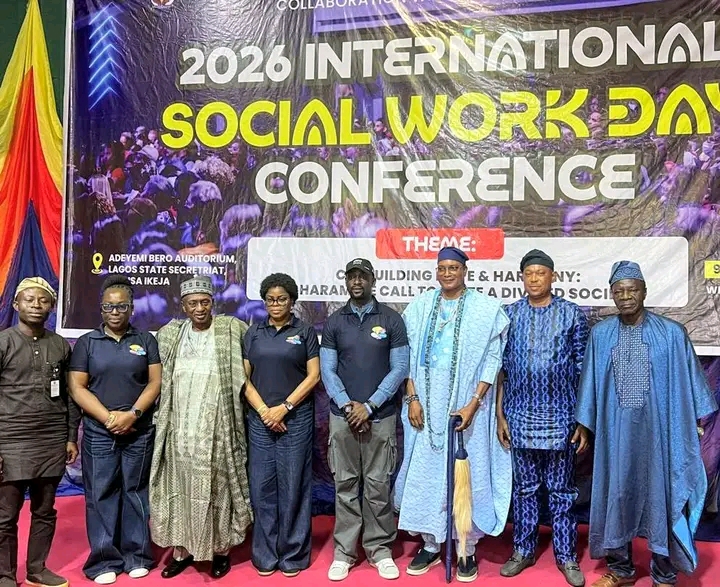
The conference is themed 鈥淐o-Building Hope and Harmony: A Harambee Call to Unite a Divided Society.鈥�
The event was attended by the Minister of Humanitarian Affairs and Poverty Reduction, Dr Bernard Doro, who was represented by the ministry’s Assistant Director of Social Welfare, Mrs Helen Ikem; the Plateau State Commissioner for Women Affairs and Social Development, Mrs Caroline Dafur; the Emir of Kanan, Alhaji Muhammadu Mu’azu; and the Commissioner for Information and Communication, Joyce Ramnap.
Others included the NASoW National President, Alhaji Mashood Mustapha; the International Federation of Social Workers (IFSW) Africa Region President, Ms Toni Adeleke; and social workers from across Nigeria and other countries.
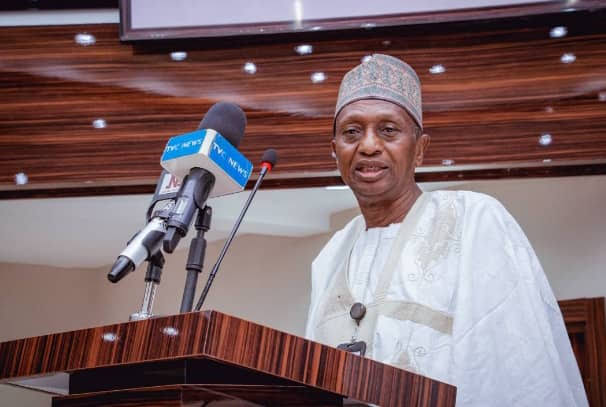
Mutfwang, who was represented by his deputy, Ngo Josephine Piyo, said social workers played a critical role in advancing human welfare, particularly through their support for individuals, families and communities facing difficult circumstances.
He noted that although their contributions might not always attract public attention, their impact on families, communities and society remained profound.
鈥淚t is with great pleasure that I welcome the leadership, members and delegates of the Nigeria Association of Social Workers to Plateau State, the beautiful and welcoming home of peace and tourism, for the 41st Annual Conference.
“I must first of all commend the association for selecting a theme that is both timely and relevant to the realities of our nation: 鈥楥o-Building Hope and Harmony: A Harambee Call to Unite a Divided Society.鈥� This theme speaks to the urgent need for collective responsibility, shared humanity and deliberate efforts to bridge the divisions that threaten our social fabric.
鈥淪ocial workers play a critical role in advancing human welfare. They work closely with individuals, families and communities, often in difficult circumstances, providing support to victims of abuse, poverty, displacement, neglect and other social challenges.
“Your contributions may not always attract public attention, but the impact on families, communities and society is profound. Social work is more than a profession; it is a commitment to humanity and a vital instrument for building a just and compassionate society,鈥� he said.
The governor said his administration recognised social welfare as an essential component of sustainable development rather than a peripheral government responsibility.
鈥淎s a government, we must therefore recognise social welfare not as a peripheral responsibility, but as an essential component of sustainable development. Investment in the well-being of our people is an investment in peace, stability and the future of our nation.
鈥淭he word Harambee, which underpins this year’s theme, captures an important principle: collective effort. It reminds us that nation-building is a shared responsibility and that no government, institution or individual can successfully address our social challenges in isolation.
“Nigeria’s diversity remains one of its greatest strengths. Our different ethnicities, cultures, languages and religious beliefs should unite us in a common purpose rather than divide us,” he added.
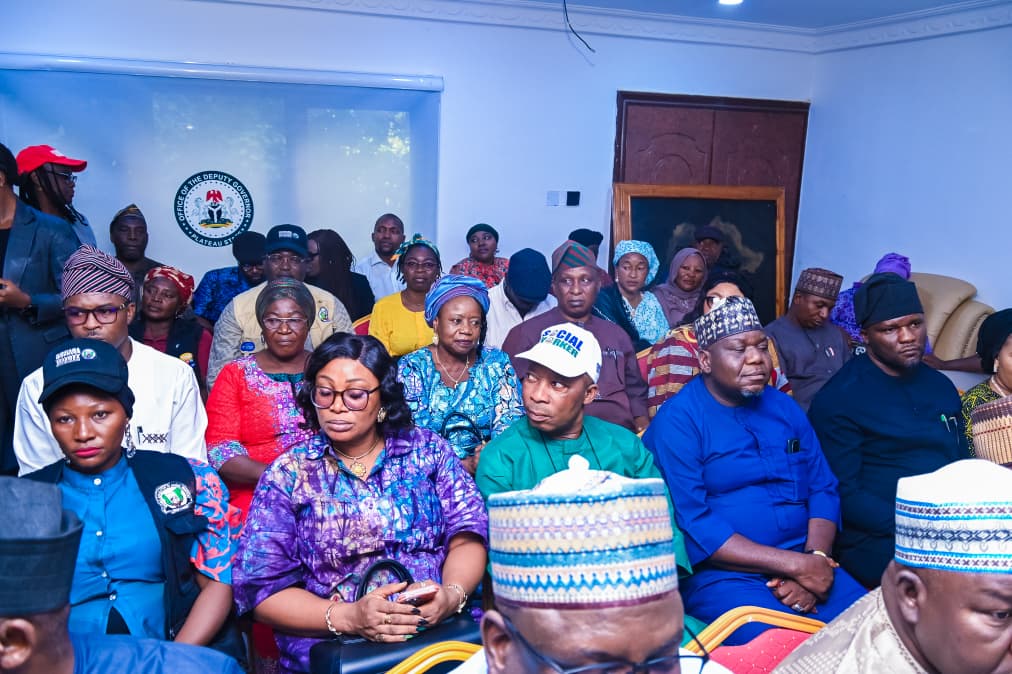
In his address, Doro described social workers as indispensable to the effective implementation of humanitarian and social protection programmes, particularly in identifying and supporting vulnerable populations.
He said they were responsible for identifying vulnerable households, conducting needs assessments, managing cases, facilitating referrals, protecting children and other at-risk groups, and ensuring that government interventions reached those who needed them most.
The minister also commended NASoW for promoting professional development and strengthening social work practice in Nigeria.
鈥淭he role of social workers in this process is indispensable. Social workers are critical to identifying vulnerable households, conducting needs assessments, managing cases, facilitating referrals, protecting children and other at-risk groups, and ensuring that interventions reach those who need them most.
“I therefore call on NASoW and its members to partner with the ministry in strengthening community engagement, safeguarding, grievance-redress mechanisms and the monitoring of programme outcomes.
鈥淲e must measure success not only by the number of beneficiaries reached, but also by improvements in their well-being, resilience and capacity for self-reliance.
鈥淲e must equally strengthen professional training, ethical practice and the integration of qualified social workers into social protection and humanitarian response systems across all levels of government.
鈥淒istinguished participants, government cannot achieve sustainable poverty reduction alone. Effective collaboration among NASoW, government institutions, development partners and communities is essential to building an inclusive and responsive social protection system,鈥� he said.
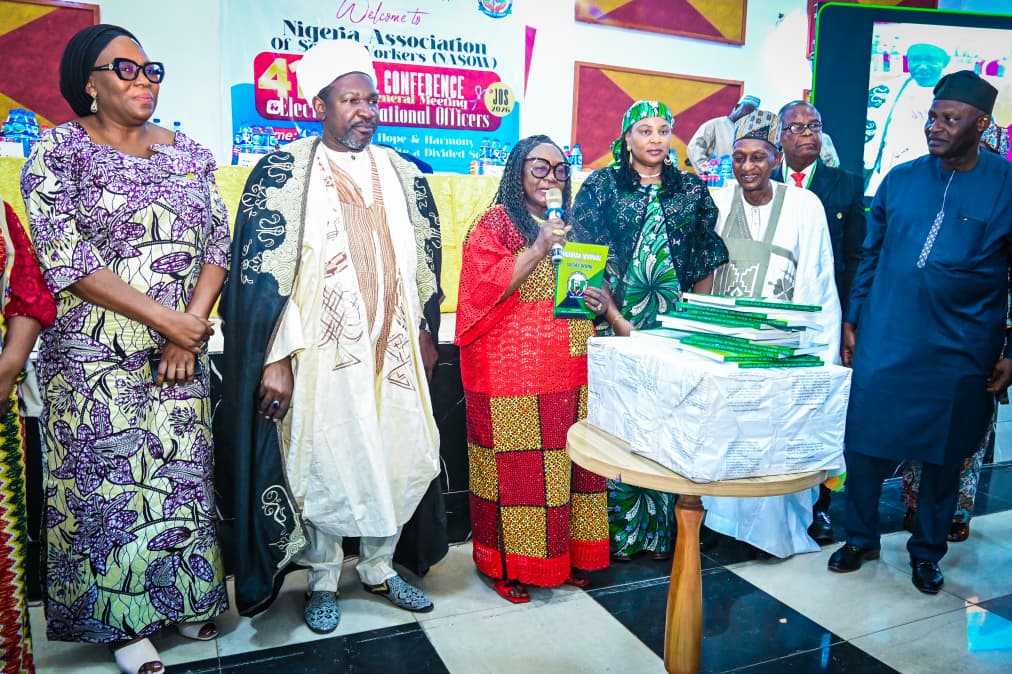
Earlier, Mustapha, in his welcome address, described the conference as an opportunity for members to reflect on the challenges confronting the country, exchange professional knowledge, strengthen relationships and renew their commitment to advancing social work in Nigeria.
He welcomed delegates from different parts of the country and beyond, saying their presence demonstrated their commitment to the profession and its values.
Mustapha also said hosting the conference in Jos was significant, given the negative reports and perceptions about insecurity and the dangers of visiting Plateau State.
鈥淲hile we acknowledge that security challenges are genuine concerns that deserve attention, we must be careful not to allow exaggerated or sweeping narratives to define an entire state and its people.
鈥淧lateau State is a land of rich cultural heritage, beautiful landscapes, warm hospitality and remarkable people. We must not allow negative perceptions to overshadow its positive attributes and the contributions of its people to national development.
“The theme of this year’s conference, 鈥楥o-Building Hope and Harmony: A Harambee Call to Unite a Divided Society,鈥� is timely and deeply relevant to our national realities.
鈥淣igeria continues to grapple with poverty, unemployment, insecurity, displacement, inequality, social exclusion and the weakening of family and community support systems.
鈥淭hese challenges require collective action, inclusive policies, responsive institutions and committed professionals.
“As social workers, we have a responsibility to defend human dignity, promote social justice, protect vulnerable populations, strengthen families, facilitate reconciliation and contribute to sustainable peace.
鈥淲e cannot preach collaboration while refusing to collaborate, nor can we advocate for harmony while allowing personal differences, institutional rivalries and unnecessary divisions to weaken our collective strength,鈥� he stated.
NASoW, established in 1975, is the umbrella body for social workers in Nigeria and a member of the International Federation of Social Workers, the global body for social workers.
The conference and annual general meeting are expected to end on Saturday.