









Akinwande Soji-Ojo
Minister of Foreign Affairs, Ambassador Yusuf Tuggar, has disclosed that Nigeria rejected pressure from the United States to accept deportees from Venezuela, including some released from US prisons.
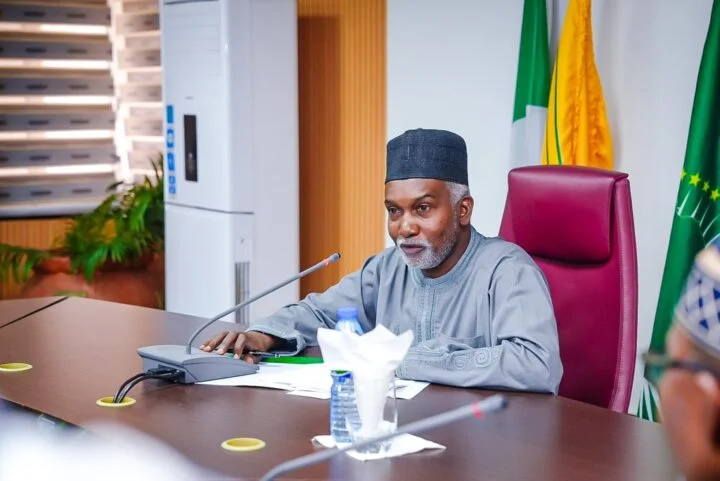
Speaking on Channels Television鈥檚 Politics Today on Thursday evening, Tuggar said it would be difficult for Nigeria to accommodate Venezuelan prisoners, stressing that the country faces its own internal challenges.
鈥淵ou have to also bear in mind that the US is mounting considerable pressure on African countries to accept Venezuelans to be deported from the US, some straight out of prison. It will be difficult for a country like Nigeria to accept Venezuelan prisoners into Nigeria. We have enough problems of our own.
鈥淲e cannot accept Venezuelan deportees to Nigeria, for crying out loud. We already have 230 million people. You will be the same people that would castigate us if we acquiesce to accepting Venezuelans from US prisons to be brought in,鈥� he said.
The minister added that taking in such deportees could set a dangerous precedent, and described US’ insistence as unfair.
鈥淭he issue of accepting Venezuelan deportees, honestly, I don鈥檛 think is something that Nigeria is in a position to work with. And I think it would be unfair to insist that Nigeria accepts 300 Venezuelan deportees. Maybe that might just even be the beginning,鈥� Tuggar said.
He also addressed speculation linking the recent 10 per cent tariffs on Nigerian goods to President Bola Tinubu鈥檚 participation in the BRICS summit in Brazil. Tuggar argued that there was no clear evidence of such a connection.
鈥淭he issue of tariffs may not necessarily have to do with us participating in BRICS,鈥� he said.
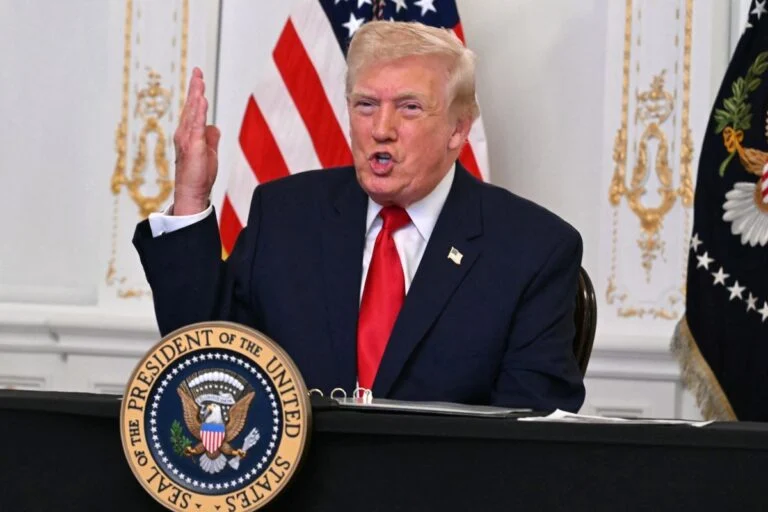
The new US tariffs were announced after President Donald Trump met five West African leaders,excluding President Tinubu, at the White House in Washington. Trump also unveiled a 10 per cent duty on Nigerian exports to the US.
Tuggar further dismissed claims that America鈥檚 recent change to single-entry, three-month visas for Nigerians was a matter of reciprocity. He explained that Nigeria鈥檚 own visa system remained generous to Americans, offering five-year multiple-entry visas.
鈥淲e are talking to the Americans. We are engaging them. We are also explaining and reminding them that we issue them five-year multiple entry visas, the same way that they issue regular travellers five-year multiple entry visas.
鈥淲hat Nigeria has done that differs is simple. We used to have a visa-on-arrival that wasn鈥檛 running efficiently. We introduced these online electronic visas that you can apply for so that it saves you time, instead of just arriving and then going through the process of getting the visa when you have already arrived.
鈥淲e have different categories of visas. There are people who are first-time travellers who are coming as tourists that are probably not likely to come back to Nigeria again, maybe because they鈥檙e coming for a short while, and they get those 90-day visas.
鈥淪o our visa is not saying that every American is only being given 90-day visas or three months or whatever. We give Americans, there are loads of Americans that have these long-term visas. It is not based on reciprocity,鈥� the minister stated.