









By Efa Sunday
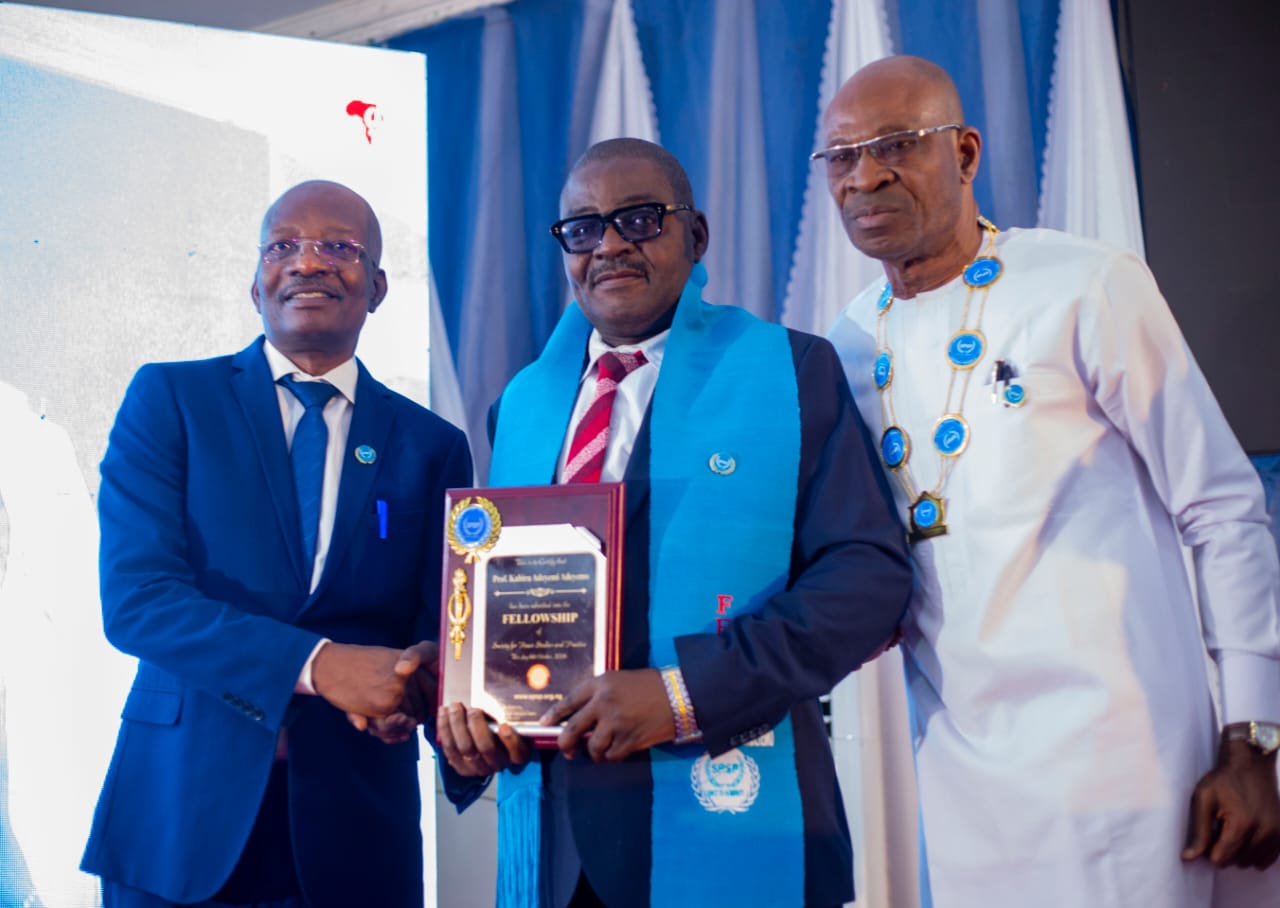
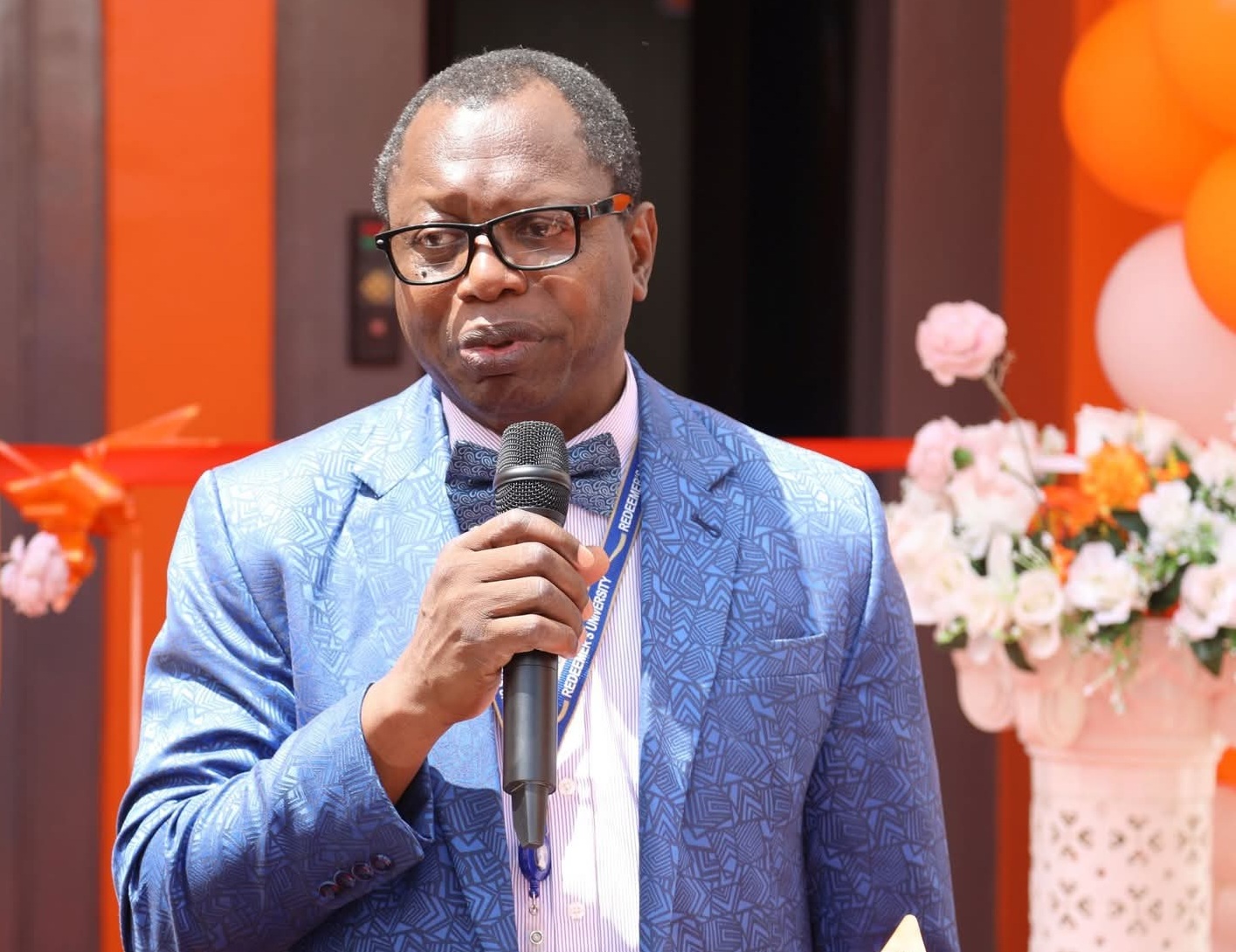
The Vice Chancellor of Lead City University, Ibadan, Prof. Kabiru Adeyemo, has challenged the Federal Government to stop treating retired military officers as burdens, insisting that they remain strategic nation builders whose wealth of experience and leadership capacity should be harnessed for national development.
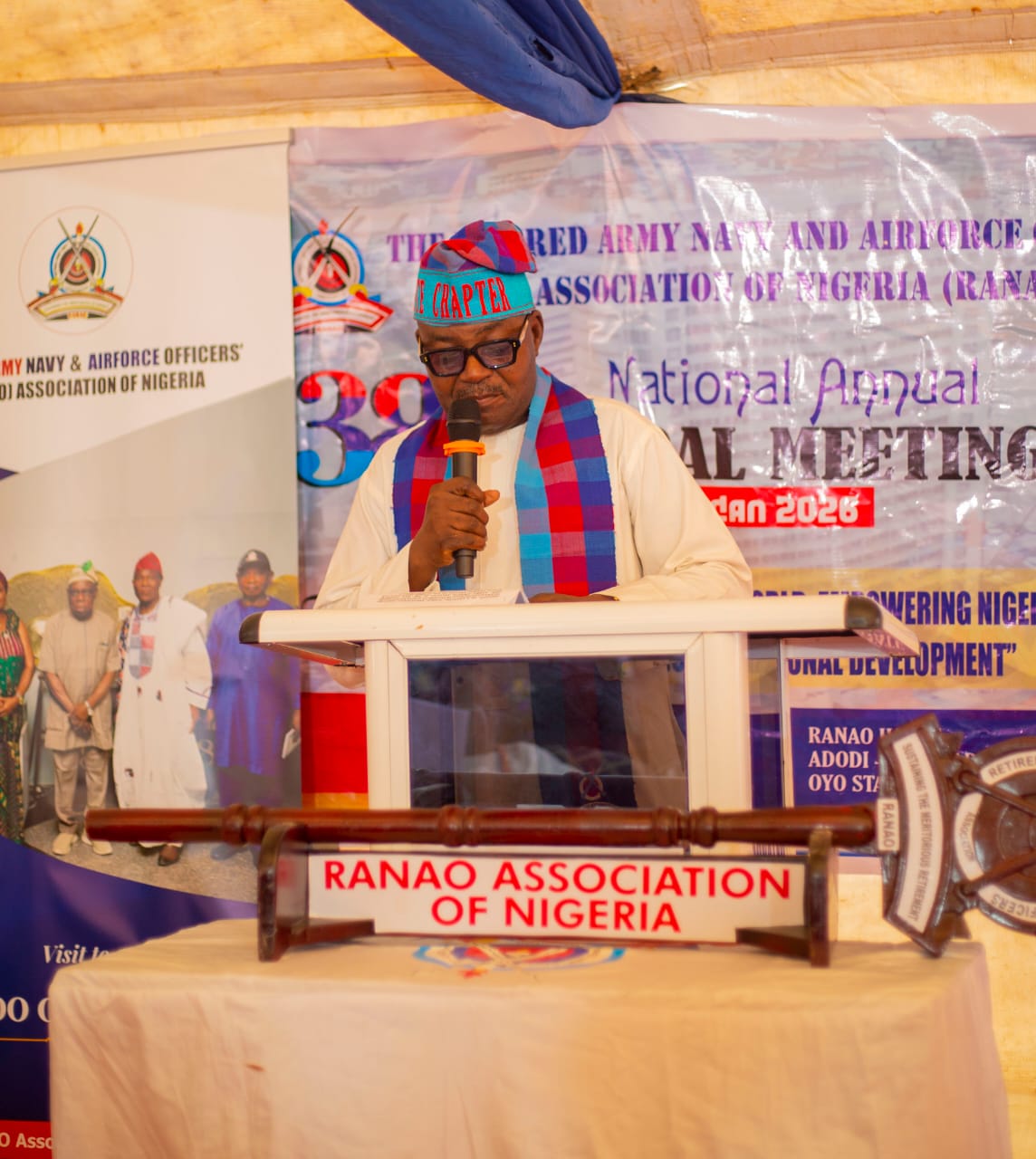
Adeyemo made the call while delivering a lecture titled, “Adapting to a Changing World: Empowering Nigerian Military Veterans for National Development,� during the 38th National Annual General Meeting of the Retired Army, Navy and Air Force Officers’ Association of Nigeria held on May 21, 2026, at the RANAO House in Ibadan.
Describing military veterans as one of Nigeria’s “most valuable yet underutilized strategic assets,� the professor said the country must urgently create sustainable frameworks that empower former service personnel to continue contributing meaningfully to society after retirement.
“The world today is evolving at an unprecedented pace. Technological advancement, Artificial Intelligence, cybersecurity, drone warfare, economic transformation, changing social realities, and shifting security dynamics continue to redefine global systems and national priorities,� he said.
“In the midst of these changes, Nigerian military veterans remain one of the nation’s most valuable yet underutilized strategic assets.�
The event attracted prominent military veterans, policymakers and national figures, including former President Olusegun Obasanjo, represented by former Chief Medical Director of the University College Hospital, Ibadan, Prof. Abiodun Ilesanmi; the Olubadan of Ibadanland, Oba Rashidi Adewolu Ladoja; former Osun State Governor, Brig. Gen. Olagunsoye Oyinlola; and former Military Governor of Lagos State, Maj. Gen. Oladayo Popoola, as well as the Oyo State Chairman of RANAO, Rear Admiral Olusegun Egbedina (Rtd).
Adeyemo noted that despite years of sacrifice and service to the country, many military veterans continue to face poor welfare conditions, unemployment and inadequate reintegration opportunities.
According to him, veterans possess qualities such as “discipline, leadership capacity, technical expertise, resilience, strategic thinking abilities, operational experience, and patriotism,� which are indispensable for sustainable national growth.
He added that veterans have enormous capacity to contribute to economic growth, entrepreneurship, agriculture, manufacturing, infrastructure protection, disaster management, youth mentorship and national security.
“Beyond prominent public figures, thousands of Nigerian veterans contribute daily at grassroots levels through farming, SMEs, community policing, mentorship, and civic engagement,� he stated.
“Their impact extends far beyond military service.�
The university don also stressed the growing importance of technology and digital literacy in modern society, urging stakeholders to equip veterans with technological skills and entrepreneurial competencies needed to remain relevant in today’s economy.
“To remain relevant and effectively integrated into the modern economy, veterans must be equipped with digital competencies, technological literacy, entrepreneurial skills, leadership development opportunities and modern economic integration frameworks,� he said.
Adeyemo further highlighted the role of RANAO in promoting the welfare and reintegration of retired military officers, describing the association as a critical bridge between veterans, government institutions and the private sector.
“RANAO occupies a strategic position in advancing the empowerment and reintegration of military veterans,� he said.
The professor called for stronger policy frameworks to improve veterans’ welfare, including pensions, healthcare, post service benefits, entrepreneurship financing and mental health support.
He also advocated the integration of qualified veterans into community policing, intelligence support and broader national security architecture.
Drawing lessons from countries such as the United States, the United Kingdom and Israel, Adeyemo said Nigeria must adopt more structured veteran reintegration systems capable of unlocking the full potential of former military personnel.
He reflected on the contributions of distinguished Nigerian veterans, including former Presidents Olusegun Obasanjo, Muhammadu Buhari and Abdulsalami Abubakar, noting that their achievements in governance and national leadership prove that military veterans remain vital assets to society.
“Their stories reinforce an important reality: Military veterans are not liabilities to society after retirement; they remain strategic assets for nation building,� he said.
Adeyemo concluded by urging the government to move beyond rhetoric and implement practical reforms that would position veterans as active contributors to national transformation.
“This moment calls for a shift from rhetoric to action towards practical, structured, and sustainable frameworks that position military veterans not only as beneficiaries of national systems, but as active contributors and catalysts of transformation across sectors,� he added.