









By Oyindamola Davies and Efa Sunday
A disturbing video from Mushin, Lagos State, has laid bare the devastating impact of Nigeria’s worsening flood crisis.
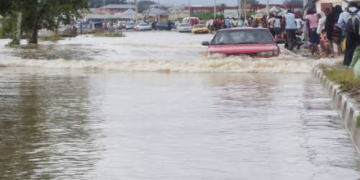
The footage, recorded on Monday after heavy rainfall, showed floodwaters surging through residential streets, sweeping away household belongings and leaving homes submerged.
Residents watched helplessly as valuable property disappeared beneath the muddy water.
Equally disturbing was another scene captured in the video. Drainage channels meant to carry stormwater were clogged with heaps of refuse. Plastic waste, discarded household items and other debris blocked the free flow of water, forcing it back into homes and onto streets.
While the destruction of property was immediate and visible, public health experts warn that an even greater danger may emerge in the aftermath.
The situation in Mushin mirrors a growing pattern across many Nigerian cities, where poor waste management and blocked drainage systems continue to worsen flooding.
A similar scenario recently played out in Ibadan, Oyo State, where sections of the busy Ojoo-Akinyele Expressway were submerged following heavy rainfall.
Flooding does not only destroy infrastructure; it also creates a public health emergency.
Beneath the floodwaters lay an invisible threat. As floodwaters flowed through refuse dumps and overflowing drains, they became contaminated with sewage, human waste, oil, industrial pollutants and disease-causing organisms. As the water spread through communities, it contaminated wells, boreholes and other drinking water sources, while exposing residents wading through the floods to bacteria and viruses capable of causing serious illnesses. These conditions created ideal breeding grounds for outbreaks of cholera, typhoid fever, diarrhoea, dysentery and hepatitis A.
In many flood-affected communities, waste disposal systems often collapse. Refuse collection becomes irregular, drainage channels overflow, and some residents resort to dumping waste into floodwaters due to the lack of accessible collection points. At the same time, human waste from damaged toilets and overflowing septic tanks mixes with the floodwater, further contaminating the environment and creating ideal conditions for disease-causing organisms to spread rapidly.
According to the Nigeria Centre for Disease Control and Prevention (NCDC), cholera remains endemic in Nigeria, with outbreaks frequently occurring during the rainy season, particularly in communities with poor sanitation and inadequate access to safe drinking water.
Children are among the most vulnerable to the health risks associated with flooding. Many play in contaminated floodwater without understanding the dangers, while displaced families often struggle to access clean water and adequate sanitation. Combined with poor nutrition and overcrowded living conditions, these factors significantly increase the risk of disease outbreaks.
The situation is worsened by the factors driving recurrent urban flooding in Nigeria. Environmental experts have repeatedly linked the problem to inadequate drainage infrastructure and indiscriminate waste disposal. Plastic bottles, nylon bags, food containers and other solid waste frequently clog drainage channels, preventing rainwater from flowing freely. As a result, floodwaters back up into streets, markets and homes, spreading contaminants over a much wider area.
The scenes from Mushin and Ojoo serve as stark reminders that flooding is no longer just an environmental challenge; it is also a growing public health crisis that demands urgent action.
Addressing the threat will require a coordinated response from both the government and the public. Governments at all levels must intensify the clearing of drainage channels before and during the rainy season, strengthen waste collection systems, enforce proper waste disposal regulations and provide temporary refuse collection points in flood-prone communities. Residents, on their part, must avoid dumping refuse into drains, protect drinking water sources from contamination and seek immediate medical attention if symptoms such as persistent diarrhoea, vomiting or severe dehydration develop.
As heavy rains continue across Nigeria, the greatest danger may not be the floodwaters people can see, but the diseases that silently spread after the waters recede. Without decisive action to improve drainage, sanitation and waste management, every major flood will continue to leave behind more than damaged homes and stranded vehicles. It will also leave communities vulnerable to preventable disease outbreaks that could claim even more lives than the floods themselves.
Watch video below: