









Akinwande Soji-Ojo
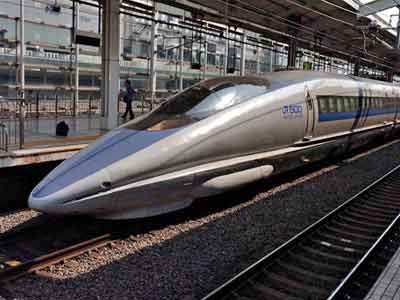
Nigeria’s transport sector is on the brink of transformation with the Lagos-Abuja high-speed bullet train, which will cut travel time between the two cities from 12 hours to just three hours.
Engineer Yinka Idris, the Director of Operations at Geofocus Consortium, who disclosed this in a statement on Tuesday, described the project as a significant milestone in Nigeria鈥檚 development.
He lauded President Bola Tinubu鈥檚 administration for prioritising infrastructure and fostering Public-Private Partnerships (PPP) to drive economic growth.
According to Idris, the bullet train will provide a faster, safer, and more efficient alternative to road travel.
He said the initiative aligned with Tinubu鈥檚 vision of leveraging private sector expertise to deliver world-class infrastructure without overburdening public finances.
鈥淐urrently, travellers between Lagos and Abuja face long hours in traffic, safety concerns, and reduced productivity,鈥� Idris said.
The director further explained that the project would significantly ease movement, enhance trade, and improve the overall business environment.
鈥淎s part of the development, 10 smart cities with 10,000 housing units each will be built along the rail corridor.
鈥淎n independent power plant will also be constructed to support the train and surrounding infrastructure,鈥� he said.
Idris said that the Lagos-Abuja bullet train is expected to create thousands of jobs during construction and after completion.
He noted that the project is part of Tinubu鈥檚 commitment to reduce unemployment and foster economic prosperity through major infrastructure projects.
鈥淲ith feasibility studies completed and proof of funds secured, the project now awaits approvals from the Infrastructure Concession Regulatory Commission (ICRC) and the Federal Executive Council (FEC) before construction begins,鈥� the director stated.
Idris said the construction phase is expected to last between 48 and 52 months, adding that its completion would promote the project as Nigeria鈥檚 largest ever PPP-driven initiative and a benchmark for transport infrastructure across Africa.
“Beyond transportation, the bullet train will reduce road congestion, lower carbon emissions, and extend the lifespan of highways.
“This will represent a major step towards sustainable and environmentally friendly infrastructure development.
鈥淎s Nigeria moves closer to realising this dream, citizens can anticipate a future of seamless travel, improved quality of life, and enhanced economic opportunities under President Tinubu鈥檚 leadership,鈥� he added.