By Efa Sunday
At least 162 people have been killed in a deadly attack on Woro village in Kwara State, making it Nigeria鈥檚 deadliest armed assault so far this year, according to the Red Cross and local authorities.
Babaomo Ayodeji, the Kwara State Secretary of the Red Cross, said the attack occurred on Tuesday, with the confirmed death toll standing at 162 as of Wednesday afternoon.
鈥淭he number of confirmed dead victims we have as at Wednesday afternoon is 162,鈥� Ayodeji told AFP.
However, a local politician told Reuters that the casualty figure could be higher, estimating that up to 170 people may have been killed.
Sa鈥檌du Baba Ahmed, a politician from the Kaiama area, said the attackers gathered residents, restrained them, and killed them, while also setting homes and shops on fire
鈥淚 am currently in the village with military personnel, sorting dead bodies and searching nearby areas,鈥� Ahmed said.
He added that many villagers escaped into surrounding bushland with gunshot wounds, while several residents remain missing, including the community鈥檚 traditional ruler.
Residents told reporters that the attackers were jihadists who had previously preached in the village and demanded that locals renounce allegiance to the Nigerian state in favour of Sharia law. They said the assailants opened fire when villagers resisted during a sermon.
The Kwara State Police Command has acknowledged the attack but has yet to release an official casualty figure.
Kwara State Governor, AbdulRahman AbdulRazaq, condemned the killings, describing them as 鈥渁 cowardly expression of frustration by terrorist cells鈥� reacting to intensified counter-terrorism operations in the state.
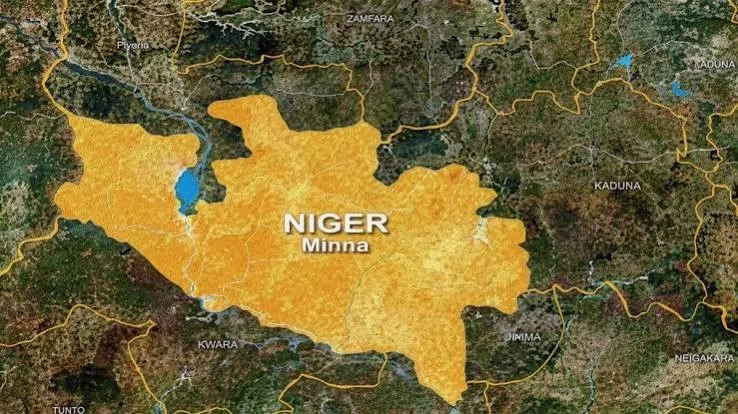
Kwara State borders Niger State, a region increasingly affected by armed groups. The Nigerian military recently reported ongoing operations against what it described as terrorist elements in the area.
Nigeria continues to grapple with multiple security challenges, including jihadist insurgencies in the North East and North West, widespread kidnappings by bandit groups, and persistent intercommunal violence in parts of the country.
The worsening insecurity has attracted international attention, with the United States Africa Command confirming the deployment of a small military team to Nigeria to strengthen cooperation, even as critics accuse authorities of failing to prioritise public safety.