







Akinwande Soji-Ojo
The Japan International Cooperation Agency (JICA) has cancelled its “Africa Hometown� project after admitting the initiative created “misunderstandings and confusion� both in Japan and in Africa.
JICA President, Tanaka Akihiko, announced the termination at a press briefing on Thursday, weeks after controversy trailed the project.
In a statement, the agency said: “The very nature of this initiative — namely, the term ‘hometown’ and the fact that JICA would ‘designate’ Japanese local governments as ‘hometowns’ — led to misunderstandings and confusion within Japan, placing an excessive burden on the four municipalities. JICA sincerely apologises to the municipalities involved for causing such situation.�
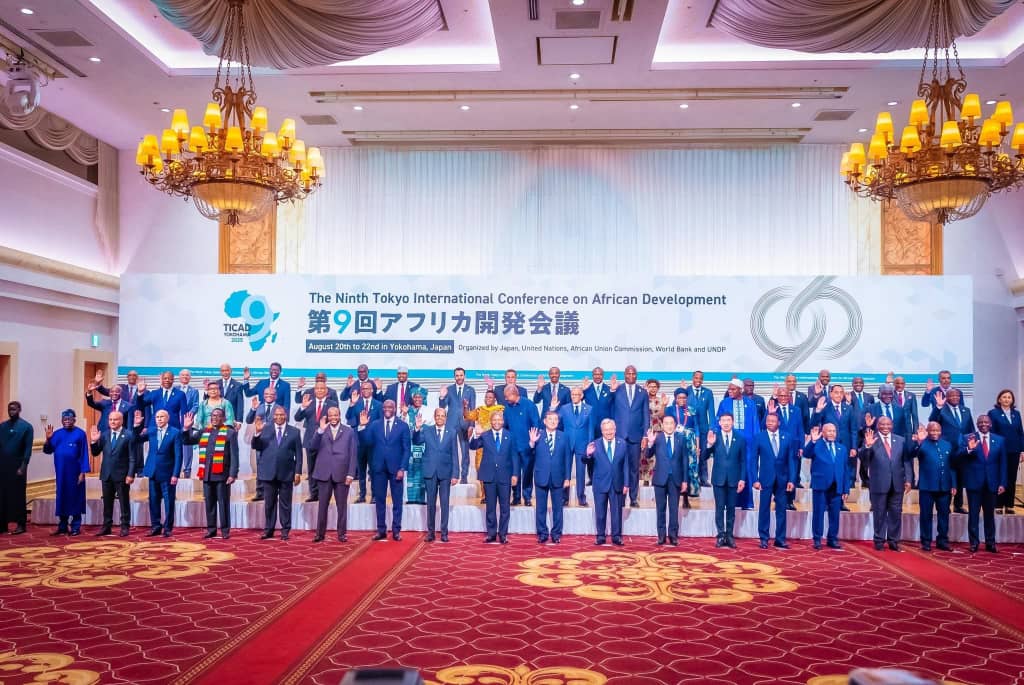
The project, unveiled on August 22 during the 9th Tokyo International Conference for African Development (TICAD9), had designated four Japanese cities as symbolic “hometowns� for four African nations: Kisarazu for Nigeria, Nagai for Tanzania, Sanjo for Ghana, and Imabari for Mozambique.
Controversy erupted after Nigeria’s State House issued a statement claiming Japan would create a “special visa category for highly skilled, innovative, and talented young Nigerians� to live and work in Kisarazu. The Japanese government swiftly denied the claim, saying it had no plans to promote immigration.
Confusion also spread in Tanzania, where local media wrongly reported that Nagai city would become part of the East African country. Japan’s foreign ministry issued a rebuttal, but the denials failed to calm growing concerns among Japanese citizens.
Residents in the affected cities took to social media to raise fears about public safety, overstretched resources, and the risk of immigrants overstaying their visas. The backlash culminated in protests demanding the cancellation of the agreement.
JICA said it had “taken this situation seriously� and, after consultations, decided to terminate the programme.
“After consulting with all parties involved, JICA has decided to withdraw the ‘JICA Africa Hometown’ initiative,� the agency stated.
The agency stressed that it has “never undertaken initiatives to promote immigration and has no plans to do so in the future,� but noted it would continue supporting projects aimed at strengthening international exchanges.