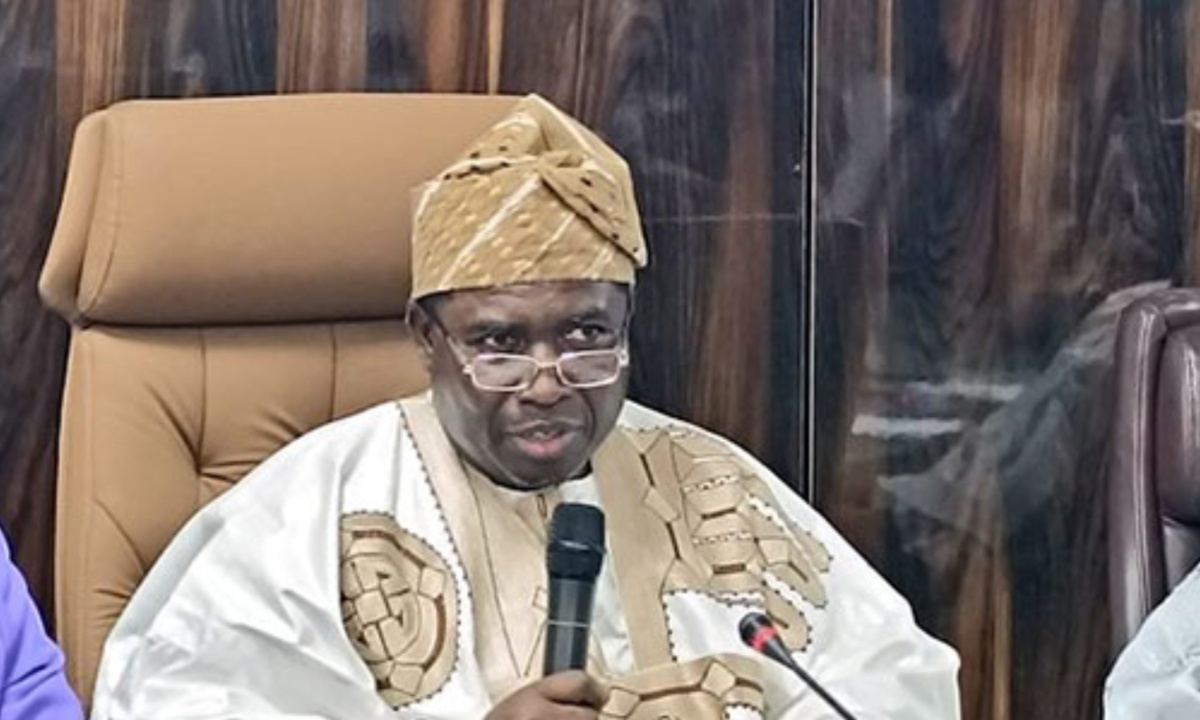
Former chairman of the Independent National Electoral Commission (INEC), Prof. Attahiru Jega, has advised President Muhammadu Bihari to withdraw the nomination of Lauretta Onochie as a commissioner for the electoral body.
Speaking on Channels Television programme, ‘Politics Today,’on Sunday evening, Jega said the controversy surrounding her nomination is not good for the integrity of elections she may oversee, if she is confirmed.
Many Nigerians have opposed the nomination on the grounds that Onochie is partisan and a registered member of the All Progressives Congress (APC).
But when she appeared before the Senate committee on INEC, last Thursday, Onochie said contrary to public claims, she聽does not belong to any political party.
However, the former INEC chairman said it is likely that any election she supervises that involves the APC will 鈥渟till generate controversy.鈥�
鈥淭his kind of controversy is really avoidable. Any person who generated such a controversy, the appointing authorities should be careful because you don鈥檛 want to appoint anybody that can raise suspicions or doubts or can lead to a loss of trust of the electoral management body.
鈥淚鈥檓 sorry to say that from some of the documents that I have been privileged to see, both about her British citizenship and the very active participation in a political party up until 2019, you will try to avoid appointing such people into an electoral commission, because it can generate controversy.
鈥淭o be honest, the president can also withdraw that nomination. After all, there are so many women with credibility, with capacity, competence in both Delta and across Rivers, so why bring someone that will generate controversy and raise suspicions about the intention of the appointment,” he said.
Jega also criticised the move by the national assembly leadership to聽block the proposed electronic transmission of election results.
He said denying INEC the opportunity will be counterproductive and will undermine future elections.
鈥淲hen one looks at the draft of the electoral bill currently in circulation, which the national assembly hopes to pass before they go on recess, with regards to utilisation of technology, there is a very contradictory provision there. While they permitted INEC to use electronic voting, they now said provided that INEC does not use electronic transmission of results. It is really counterproductive.
鈥淓lectronic transmission will ensure that the traditional fraudulent activities of changing results from the collation centres will now be things of the past, so it is very important that our lawmakers recognise how important it is.
鈥淎nd frankly, not permitting electronic transmission of results will even create an impression that the legislators are afraid and unconcerned about the integrity of results,” he added.