









Akinwande Soji-Ojo
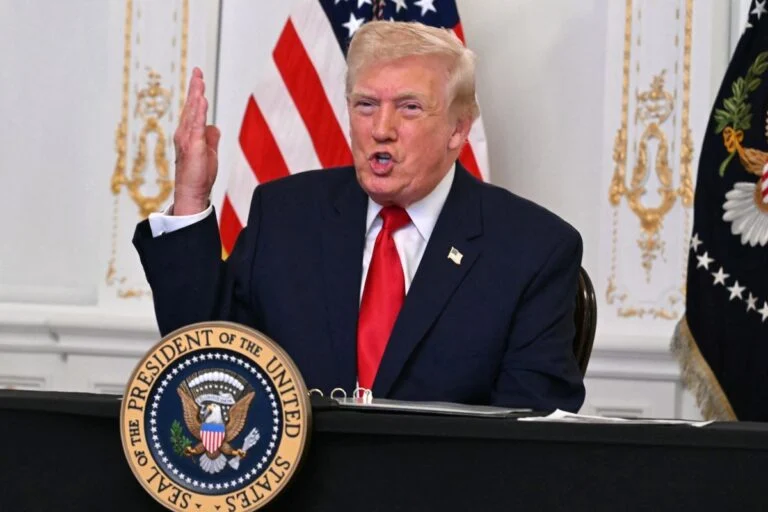
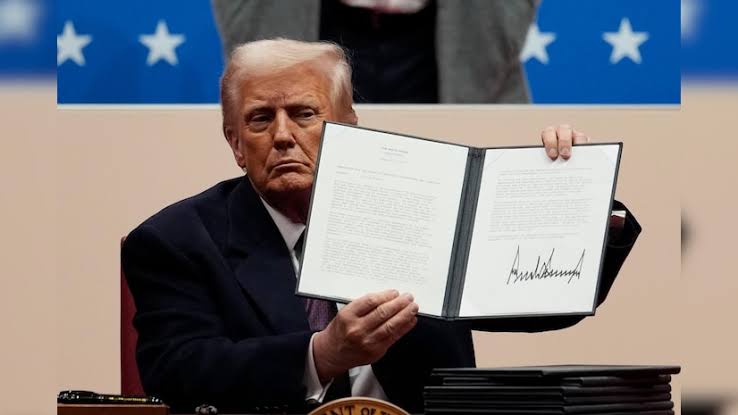
The suspension foreign aid by United States President, Donald Trump, has sent shockwaves across many developing nations, particularly those heavily reliant on U.S. funding for healthcare.
Nigeria, with about 2 million people living with HIV (July 2023 estimate), faces severe consequences from this policy. For many years, the U.S. President鈥檚 Emergency Plan for AIDS Relief (PEPFAR) had been a lifeline for millions of Nigerians living with HIV. The aid suspension threatened to reverse the progress made over the years in preventing and treating the disease, leaving countless individuals in a dire situation.
One of the most immediate impacts of the suspension would be the disruption of antiretroviral (ARV) drug supplies. Nigeria depends heavily on international funding to provide free ARVs to people living with HIV. Without this aid, stockpiles will reduce, and patients would be forced to ration their medication or stop treatment altogether. This will lead to a resurgence of opportunistic infections and an increase in AIDS-related deaths, as untreated HIV weakens the immune system over time.
Beyond treatment, the suspension will affect critical prevention programmes. PEPFAR and other U.S. funded initiatives supports HIV awareness campaigns, condom distribution, and mother-to-child transmission prevention. With funding halted, few Nigerians will have access to life-saving information and preventive measures, which will result in a rise in new infections, particularly among vulnerable populations such as young women, sex workers, and people who inject drugs.
The impact would also be felt in Nigeria鈥檚 already fragile healthcare system. Many HIV treatment centers relied on U.S. aid for operational costs, including medical personnel salaries, test kits, and outreach programmes. Without sufficient funding, many clinics will shut down or reduce their services. This will in turn place additional burden on public hospitals, which were already struggling with limited resources. Consequently, long waiting times and inadequate care will beccome the norm, further jeopardising the health of HIV-positive individuals.
Furthermore, the suspension will have a significant social and economic consequences. Many people living with HIV faces stigma and discrimination, which would be exacerbated by the reduction in support services. Community outreach programmes that provides counseling, legal aid, and employment opportunities for people with HIV will suffer from funding cuts. This will lead to increase in mental health issues, job losses, and deepened poverty among affected individuals and their families.
Women and children are going to be the hardest hit by the aid suspension. HIV-positive pregnant women, who previously benefited from free ARVs to prevent transmission to their babies, now faces uncertainty. Many would no longer be able to afford treatment, resulting in a rise in mother-to-child transmission rates. Orphaned children, who depended on U.S. funded welfare programmes, will lose access to education, healthcare, and basic necessities, worsening the cycle of poverty and disease.
Additionally, Nigeria鈥檚 ability to monitor and respond to the HIV epidemic would be weakened. U.S. aid played a crucial role in funding research, data collection, and surveillance programmes. With these activities stalled, policymakers will not have accurate data to design effective interventions, and it would be difficult to track infection trends and respond to emerging challenges, allowing the epidemic to spread unchecked.