









Let us be honest. Whether it is jollof, egusi, or edikang ikong, we Nigerians love our cuisine hot, spicy, and seasoned enough to make our ancestors wake up and ask for a plate. In fact, some of us still feed our ancestors specially prepared meals, but that is a conversation for another day.
Ordinarily, if the meals we enjoy so much were made using the natural seasonings and spices our forebears used when they invented the delicacies, all would most probably be fine. But unfortunately, due to a market that has evolved to sell more sodium-packed products to a population that has grown used to it and now demands it, there is cause for alarm.
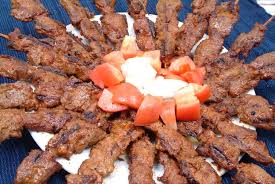
From suya and kilishi in the North to nkwobi in the East, from asun in the South to marching ground pion-pion in the South-South, it seems we have all signed an unholy pact with sodium. And of course, the notorious instant noodle was there to witness the signing.
According to health experts and other smart, lab coat-wearing people, Nigerians consume on average 5.8 grams of salt a day, which is above the World Health Organization鈥檚 (WHO) recommended 5 grams. Now, you might be thinking, 鈥榃hat is 0.8 grams? Is it not just a tiny decimal? How bad can it truly be?鈥� The answer to these questions becomes clear once you realise that this particular 0.8 grams is one of the sneakiest villains in history. Yet, it is everywhere, lurking within your favourite snacks, noodles, and beloved seasoning cubes. Oh yes, my brothers and sisters, it is there, pretending to be a dear friend joining you at every meal, when in fact, it is an enemy biding its time to strike you with chronic fatigue, heart disease, and stroke. Also, do not forget, it can harm your precious kidneys and raise your blood pressure so much that, before you can even say monosodium glutamate, your heart will already be working harder than the traffic warden in front of Wuse Market.
Indeed, it is just 0.8 grams, but when it appears in your food every day, it adds up, and that extra sprinkle over your jollof may just really pushing you towards the 12 percent of deaths in Nigeria linked to hypertension, with excessive salt intake as one of the major culprits.
I know it is hard to imagine. After all, how can something that makes moi-moi taste so delicious be harmful? But please bear with me, as this is not a campaign to ruin your next Sunday rice. Rather, it is a plea for your future self, the one who still wants to party at owambes without the fear clutching your chest halfway through dancing Buga, because unfortunately, one scary part of this problem is that many of us do not even know we have high blood pressure until the day we collapse on the dance floor and the doctor tells us to cut salt immediately. Then we remember that okro soup made with iru, dawa-dawa, or okpehe actually tastes better than the one cooked with those sodium-packed seasoning cubes, and even brings out the natural flavours of home.
Thankfully though, we do not have to wait until we fall down, as we can all start taking small steps now to protect our hearts, kidneys, and lives by cutting back on processed foods.
Finally, to be clear, this is not a call to ban salt. Instead, consider this free advice to respect it, because when used wisely, it makes food great, but when abused, it can turn your health inside out, and as far as I know, there are no owambes in the emergency ward, so let us be guided and stay aware lest we quietly season ourselves into early graves.
Culled from website