By Oyindamola Davies
What was once regarded as a traditional handcraft has found a new identity in Nigeria’s fashion industry. Crochet鈥攖he age-old art of creating fabric from yarn using a hooked needle鈥攊s enjoying a remarkable revival, with young designers transforming yarn into trendy outfits, handbags, accessories and footwear that are now in high demand.
From university campuses and fashion runways to weddings, beach outings and social media feeds, crochet has become one of Nigeria’s fastest-growing fashion trends. Young Nigerians are embracing the handmade aesthetic, proving that fashion can be both creative and commercially rewarding.
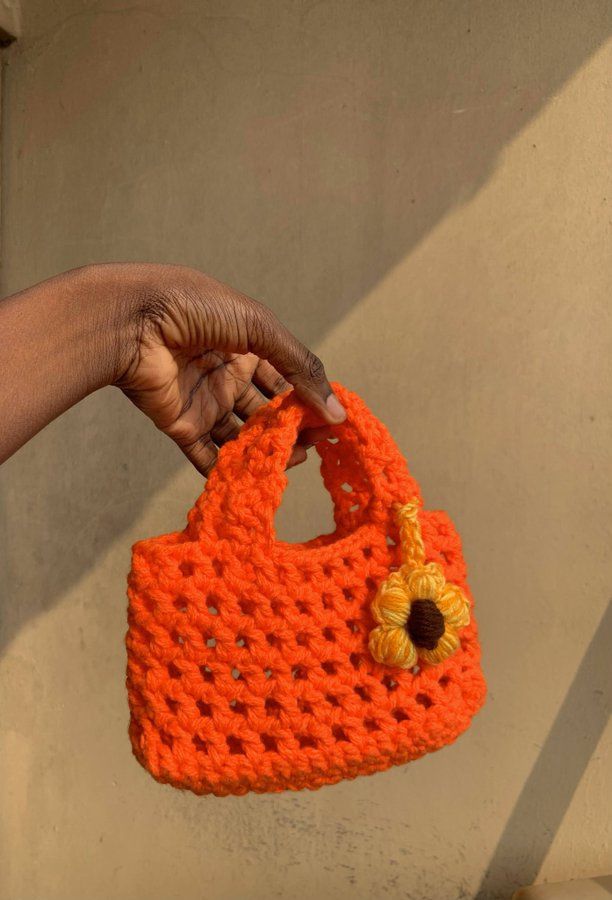
The resurgence gained momentum between late 2023 and 2024, driven largely by social media platforms such as TikTok, Instagram and YouTube, where crochet artists showcase everything from the first stitch to the finished product. These videos have inspired thousands of aspiring crocheters, making the craft more accessible than ever before.
Unlike in the past, when learning crochet often required attending physical classes, many beginners now acquire the skill online at little or no cost. Step-by-step tutorials, live demonstrations and interactive communities have removed barriers such as distance and expensive training, allowing enthusiasts across the country to learn at their own pace.
Among those redefining the industry is Nigerian crochet entrepreneur, Kolade Mayowa Bolade, founder of HookedbyLade. Through her handcrafted crochet bags, which blend artistic design with contemporary fashion, she has built an online community of more than 800,000 followers across Instagram and TikTok. Her creations have also reached customers in more than 15 countries, underscoring the growing global appeal of Nigerian handmade fashion.
Beyond its rising popularity, crochet has become a reliable source of income for many young Nigerians seeking financial independence. Designers now produce custom-made tops, dresses, bags, bucket hats and other accessories tailored to customers’ preferences, turning a once-overlooked craft into a profitable business.
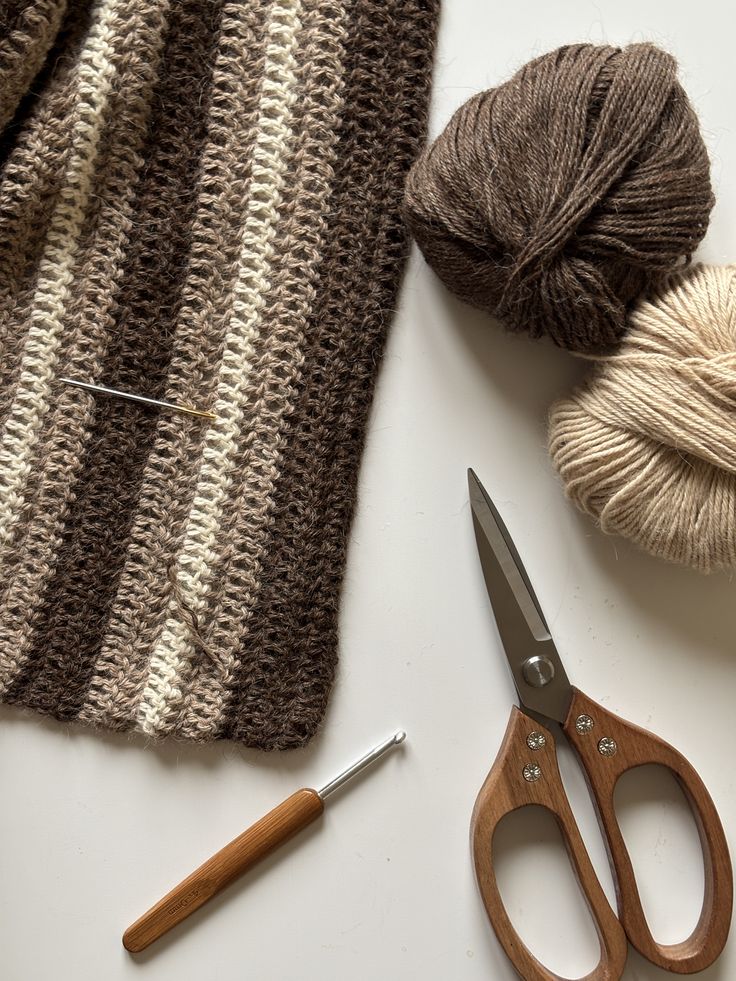
Industry players say the prices of crochet items reflect the time, creativity and craftsmanship invested in each piece. While a simple crochet top may sell for between 鈧�5,000 and 鈧�15,000, more intricate items such as structured handbags often cost between 鈧�20,000 and 鈧�50,000 or more, depending on the design, materials used and hours of work involved.
For many buyers, the appeal extends beyond fashion. Every crochet piece is handmade, giving customers a sense of exclusivity that mass-produced clothing cannot easily provide. This uniqueness has made crochet a favourite among people looking to express their individuality through fashion.
As demand continues to grow, industry observers believe crochet has evolved beyond being a hobby or a forgotten craft. It is now a thriving creative enterprise that is creating jobs, fostering entrepreneurship and preserving a timeless skill for a new generation.
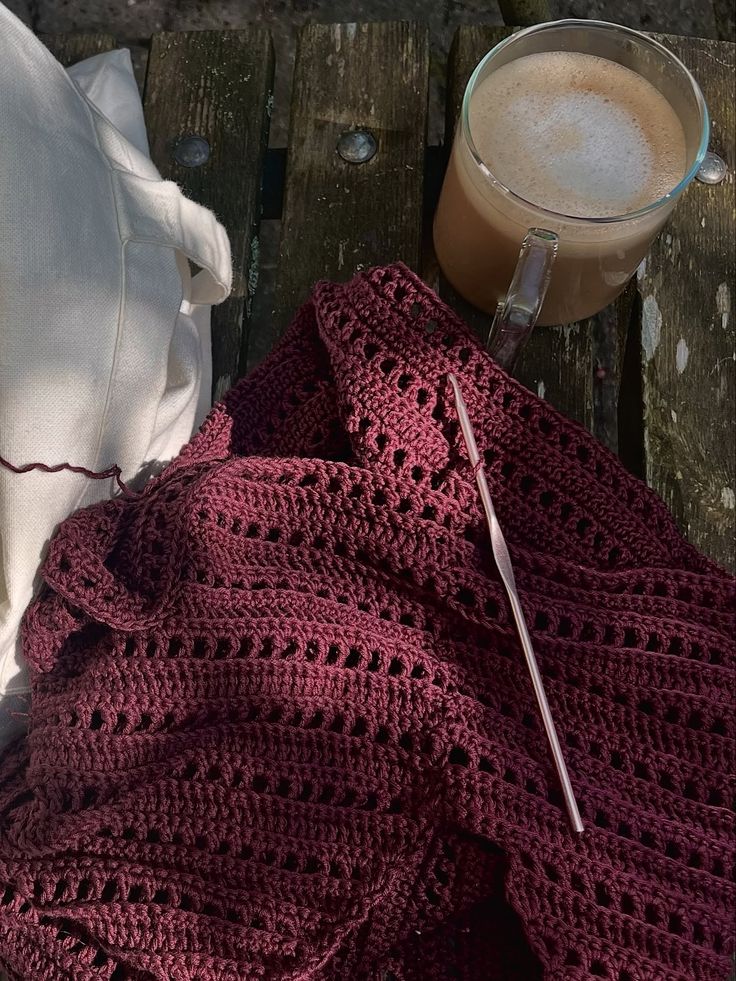
Although crochet has existed for decades, its latest revival tells a different story. Young Nigerians are no longer just wearing crochet鈥攖hey are teaching it, documenting it, building businesses around it and transforming every stitch into a symbol of creativity, culture and economic opportunity.