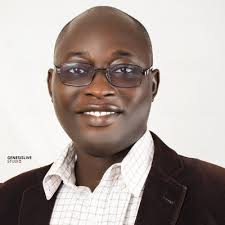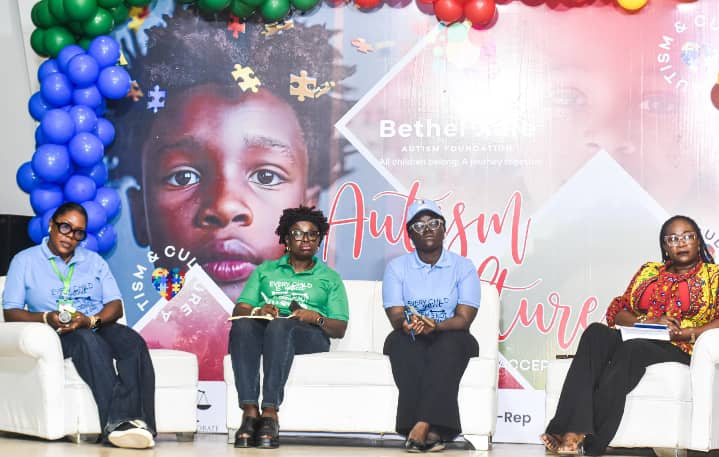










The Founder of Bethel Xafe Autism Foundation, Dr Oluwatosin Akande, has called for inclusive policies, interventions and cultural acceptance to improve the quality of life of individuals living with autism.
Akande made the call at the Autism Awareness Conference, entitled, ‘Autism and Culture,’ organised by the foundation.
She called on professionals, caregivers, and advocates to come together as a united force in reshaping the narrative around autism in Africa.
Akande emphasised that the conference theme highlights the critical intersection of culture and autism, a conversation that requires collective focus.
She pointed out that autism in Africa is frequently clouded by misconceptions, cultural stigma, and insufficient support systems.
Akande stressed that these myths contribute to stigma and discrimination, discouraging families from seeking medical and therapeutic support.
Akande said despite significant progress made globally in understanding and accommodating individuals on the autism spectrum, many African societies still adhere to traditional views that impede acceptance and proper intervention.
鈥淥ne of the primary challenges lies in cultural beliefs and misconceptions.
鈥淎utism is frequently attributed to supernatural forces, curses, or spiritual afflictions, leading to harmful practices such as exorcisms or isolation of affected individuals.
鈥淎ccording to a 2021 study published in the Journal of Autism and Developmental Disorders, more than 60% of African parents initially consult spiritual healers before seeking medical advice when faced with autism symptoms in their children.
鈥淭he conference is not merely about discussing challenges; it is about pioneering practical solutions that ensure early diagnosis, accessibility to education, policy inclusion, and, most importantly, an Africa where every autistic child and adult is accepted, supported, and empowered.
鈥淚t is time for Africa to redefine autism through the lens of awareness and acceptance, not exclusion.
鈥淎ccording to the World Health Organization (WHO; 2021), approximately 1 in 100 children worldwide is diagnosed with autism, though underreporting and lack of diagnostic tools in Africa suggest the prevalence may be even higher,鈥� she said.
Speaking the Chairperson of the Nigeria Association of Women Journalists (NAWOJ), Lagos State Chapter, Adeola Ekine, urged government to implement supportive policies that ensure individuals with autism have access to special education, proper healthcare services, and a conducive workplace environment.
Ekine emphasised the important role the media plays in shaping public perception and driving advocacy for autism awareness.
She enjoined media professionals to fulfill their moral and professional responsibility by using the media to educate the public, reduce stigma, and advocate for policies that support individuals with autism and their families.
The NAWOJ Chairperson stressed that the media has the responsibility to counter the negative narratives by disseminating accurate, evidence-based information.
鈥� For media-driven autism awareness campaigns to be effective, collaboration with advocacy groups, healthcare professionals, and education institutions is essential.
鈥淢edia houses can partner with non-governmental organizations (NGOs) and autism support groups to organize awareness programs, community outreach initiatives, and training sessions for Journalists,鈥� Ekine said.
She stated that the NAWOJ, Lagos State Chapter would continue to use its platforms to create a more informed and inclusive society where individuals with autism are given equal opportunities to thrive.
Also, International behavioral analyst, Solape Azazi, stressed the need for the government to implement a policy that would ensure early intervention for individuals with autism.
Azazi also called for the training of healthcare workers to enable them to identify and diagnose autism in children during immunization appointments.
鈥淏eing autistic does not define a child鈥檚 potential,鈥� Azazi said.
She further urged that leaders take action to establish a comprehensive database of individuals with autism in Nigeria and across Africa.
Azazi highlighted the important role religious leaders play in raising awareness and preventing autism.