









By Adedokun Adebola and Ayansola Tejumade
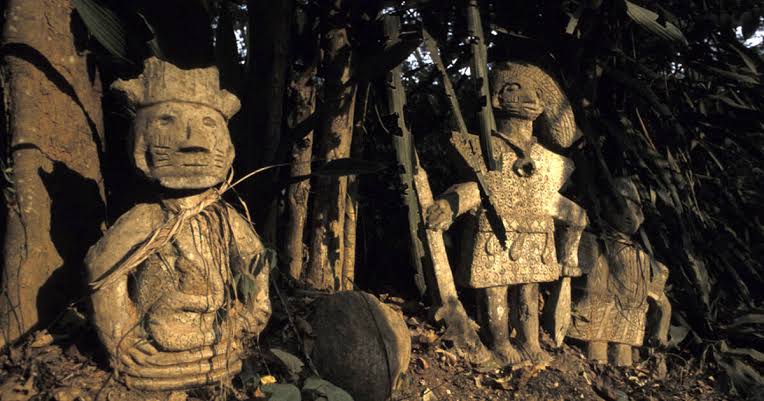
The Osun Osogbo UNESCO World Heritage Site stands as a vibrant testament to cultural and natural splendor, embodying a unique intersection of heritage and biodiversity.
However, this invaluable site faces multifaceted threats that jeopardize its long-term preservation and the delicate balance of its ecosystem. Recurrent challenges include bush burning, theft, and unauthorized farming activities within its buffer zones, which render the site particularly susceptible to fire outbreaks. Furthermore, the pervasive impacts of climate change present a significant threat to the site’s rich flora and fauna, exacerbating existing vulnerabilities.
Each year, disasters鈥攂oth natural and human-induced鈥攍ead to the destruction of countless animals, plants, and invaluable historical properties globally. For any society aspiring to achieve sustainable development and alleviate poverty, effective disaster risk management is not merely beneficial, but expedient. It serves as a critical safeguard, preventing the adverse impacts of disasters from derailing societal progress and development initiatives.
Strategic preparedness and comprehensive risk assessment
To effectively mitigate potential losses from disasters, a proactive approach emphasizing preparedness and readiness is essential for the Osun Osogbo Sacred Grove. This necessitates the implementation of comprehensive assessments to explore projected risks and vulnerabilities. Such assessments will be instrumental in defining appropriate prevention and mitigation measures tailored to the site’s specific challenges.
The management and stakeholders of the grove must collaboratively develop an overarching risk management plan. This plan should be robust enough to address a spectrum of challenges, including disaster risk reduction, climate change adaptation, heritage conservation, and sustainable tourism management. Crucially, disaster assessment activities and programs must incorporate diversity analysis. They should be designed and implemented in a culturally sensitive, participatory, inclusive, and accessible manner, respecting the dignity of both the grove and human rights, while considering the diverse needs of animals, plants, and visitors鈥攁ccounting for their ages, disabilities, nationalities, and other relevant factors.
Integrating traditional knowledge and modern solutions
The efficacy of integrating heritage knowledge, encompassing traditional practices, taboos, and modern technologies, alongside innovative technical solutions, cannot be overstated.
This holistic approach is vital for ensuring more sustainable resources in the reconstruction and recovery of damaged sites and sculptures, thereby fostering resilience against future disasters. It is particularly noteworthy that traditional knowledge and taboos were historically employed in the management of the site prior to its inscription as a UNESCO World Heritage Site and its oversight by the National Commission for Museums and Monuments (NCMM). Harnessing this traditional wisdom, in conjunction with contemporary advancements, will enable more sustainable responses in maintenance and recovery processes, significantly bolstering resilience to future catastrophic events.
Collaborative management and equitable responsibilities
Heritage resources鈥攊ncluding cultural and natural, tangible and intangible, movable and non-movable assets鈥攁re invaluable for emergency preparedness and recovery efforts. Through effective management and robust collaboration with relevant stakeholders, particularly local communities, thorough assessments of lost sites and damaged statues should be conducted. The data garnered from these assessments will be critical for informed planning and decision-making, enabling the reduction of existing risks and preventing the emergence of new ones.
Effective management of potential conflicts between the site’s management and stakeholders can significantly reduce impediments to sustainable heritage resource projects and the conservation of the Osun Osogbo Sacred Grove. This is because the protection of the grove is of paramount importance to all parties involved. It is imperative that responsibilities and roles are distributed equitably, avoiding disproportionate burdens on any single entity. Decision-making processes and outcomes must uphold principles of equity, fairness, inclusiveness, and give due consideration to the ethnicity, religion, disabilities, and demographic status of all concerned individuals. As highlighted, the synergistic application of traditional knowledge, taboos, and modern technology is crucial for effective disaster and conflict management at the site.
Adedokun Adebola Feyikemi is the Chief Museum Education Officer, National Museum, Osogbo. [email protected] +2348062315355
Ayansola Tejumade Eniola is the Antiquities Protection Officer, National Museum Osogbo.