









By Efa Sunday
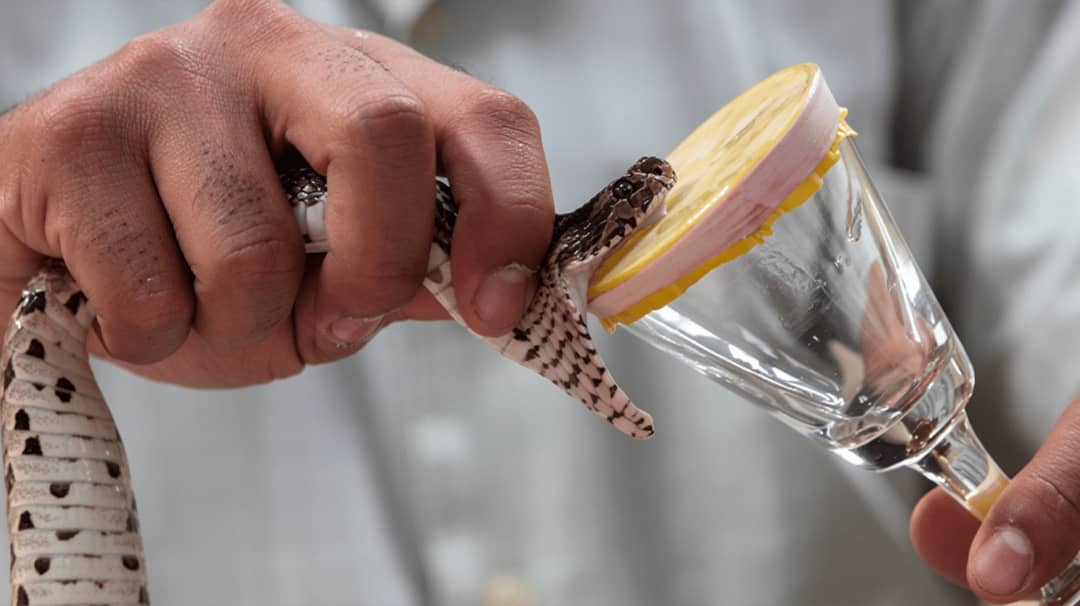
The Federal Capital Territory Administration (FCTA) has pledged to strengthen emergency response and preventive measures against snakebites following the death of Ifunanya Nwangene from complications arising from a snakebite.
In a statement issued on Tuesday, the mandate Secretary of the Health Services and Environment Secretariat, Adedolapo Fasawe, expressed condolences to the family of the deceased, describing the incident as a painful and largely preventable loss.
Fasawe said the case has renewed concerns about snakebites as a public health emergency, particularly in areas where human settlements overlap with snake habitats.
鈥淪nakebites remain a largely preventable public health emergency. Snakes inhabit rainforests, grasslands, farms and semi-arid areas, and often hide near human dwellings in search of food or shelter, leading to increased human鈥搒nake encounters,鈥� she said.
Fasawe explained that snakebites remain a recurring risk in Nigeria due to the presence of venomous species such as cobras, vipers and puff adders, which sometimes move close to residential areas. She advised residents to treat every snakebite as potentially venomous and to seek immediate medical attention.
She urged the public to take simple preventive steps, including wearing protective clothing when farming or moving through bushes, keeping surroundings clean, sealing holes and cracks in buildings, avoiding dark outdoor areas at night or using torchlights, and refraining from attempting to catch or kill snakes.
On first aid response, residents were advised to remain calm, keep the affected limb still and below heart level, remove tight items like rings or bangles, gently clean the bite area, and proceed immediately to the nearest hospital where antivenom is available.
She warned against harmful traditional practices such as cutting or sucking the wound, applying tourniquets, ice or herbal substances.
According to Fasawe, different types of anti snake venom are available in all FCTA owned hospitals and public health facilities. She said procurement is done in collaboration with veterinary experts who help identify common snake species and venom types within the territory.
She added that both polyvalent and multivalent antivenoms are centrally stored at the Abuja Central Medical Stores, with strict quality control and proper cold chain management in place.
While stressing that early administration of antivenom greatly improves survival, Fasawe noted that outcomes can be poor once severe complications develop, highlighting the importance of rapid evacuation and early treatment.
She disclosed that the FCTA has improved road access and deployed 12 fully equipped ambulances to enhance emergency response across the territory.
She said FCT hospitals are equipped to administer antivenom, provide safe limb immobilisation without tourniquets, monitor patients for adverse reactions and offer full supportive care. Advanced services such as intensive care admission, airway support, blood transfusion and coagulation monitoring are also available when needed.
Fasawe warned that any health facility found negligent in handling snakebite cases would face appropriate sanctions.
Residents were advised to contact the FCT Emergency Medical System and Ambulance Services in emergencies through 090157892931 or 090157892932.