





By Efa Sunday and Oyindamola Davies
The worsening economic situation in Nigeria is driving many households toward cheaper, more filling meals and fast foods, prompting health experts to warn that unhealthy eating habits are contributing to a rise in overweight and obesity across the country.
With food inflation continuing to squeeze household incomes, many Nigerians now skip meals during the day only to eat large portions later, while others rely heavily on fried foods, pastries, instant noodles, sugary drinks, and other processed foods because they are affordable, readily available, and keep them full for longer.
Nutritionists say that although these foods may temporarily satisfy hunger, regular consumption, combined with little physical activity, increases the risk of excessive weight gain and a host of non-communicable diseases.
The Director of Nutrition, Cross River State Primary Health Care Development Agency, Mrs Winifred Ogar, warned Nigerians during this month’s Health Watch programme hosted by journalists last Saturday that, “Excess body weight, particularly fat accumulated around the abdomen, is associated with an increased risk of high blood pressure, Type 2 diabetes, heart disease, stroke, fatty liver disease, joint problems, sleep disorders, and certain cancers.”
She noted that many people fail to realise they are becoming overweight until their daily activities begin to suffer.
Ogar identified common warning signs as “clothes becoming tighter around the waist, a noticeably larger stomach, breathlessness after mild physical activity, persistent fatigue, knee or back pain, increased snoring during sleep, and difficulty bending or moving comfortably.”
She advised Nigerians to regularly monitor their body weight, body mass index and waist circumference, explaining that a steadily increasing waistline is often one of the earliest signs that unhealthy body fat is accumulating.
Meanwhile, other medical experts at the event also cautioned against the widespread belief that eating one or two heavy meals a day is healthier or more economical than consuming balanced meals.
The State Nutrition Officer, Mrs Grace Utiung, said oversized portions, especially those rich in refined carbohydrates, unhealthy fats and sugary beverages, often provide more calories than the body requires, causing the excess to be stored as fat.
She explained that eating heavy meals late in the evening may also contribute to bloating, poor digestion, acid reflux, disturbed sleep and gradual weight gain, particularly among people who spend most of the day sitting at work or at home.
Amid growing concern over obesity and lifestyle-related diseases, health experts are increasingly recommending intermittent fasting as a practical and affordable weight management strategy for healthy adults.
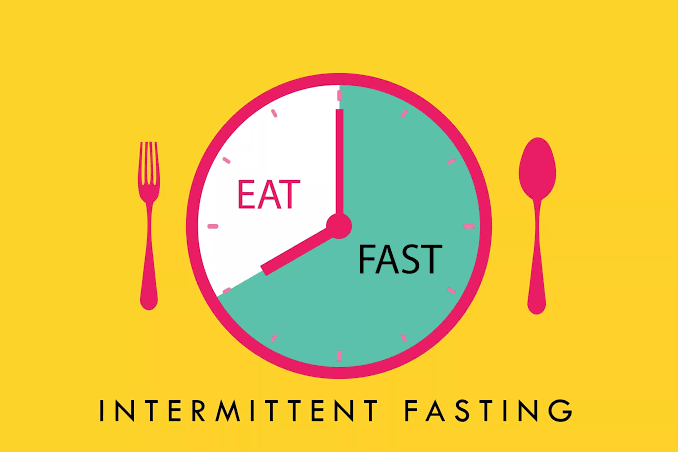
Unlike conventional diets, which focus mainly on food choices, intermittent fasting centres on when meals are eaten by alternating periods of eating and fasting. During fasting, insulin levels gradually fall, allowing the body to begin using stored fat for energy after its immediate energy reserves have been depleted.
Among the most widely adopted methods are the 16:8 pattern, in which meals are consumed within an eight-hour period followed by 16 hours of fasting, and the 5:2 approach, in which individuals eat normally for five days each week while significantly reducing their calorie intake on two non-consecutive days.
Several studies have shown that intermittent fasting can help reduce body fat, body weight and waist circumference while improving blood sugar regulation and cholesterol levels when combined with healthy eating habits.
Health experts, however, stressed that intermittent fasting should not be viewed as a licence to overeat during eating periods. They advised that meals should still consist of balanced portions of vegetables, fruits, whole grains, lean proteins, healthy fats and adequate water, while limiting processed foods, sugary drinks and excessive fried foods.
They also recommended regular physical activity, including brisk walking, cycling, jogging or other forms of exercise, to improve overall health and support weight loss.
Doctors further warned that intermittent fasting is not suitable for everyone. They advised pregnant or breastfeeding women, people living with diabetes, individuals with a history of eating disorders, those with low blood pressure, and people taking medications that require regular meals to seek medical advice before adopting any fasting routine.
As economic realities continue to shape the nation’s eating habits, health professionals urged Nigerians to prioritise healthier food choices within their budgets and adopt sustainable lifestyle changes that can help prevent obesity and reduce the burden of chronic diseases in the long term.