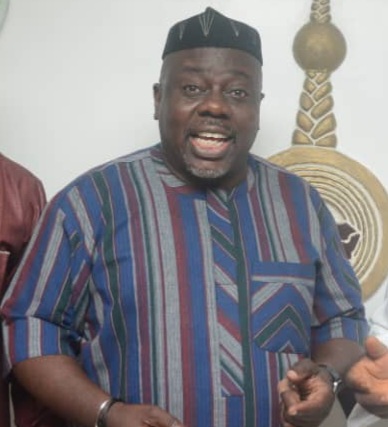







The Director-General of the Development Agenda for Western Nigeria (DAWN), Dr. Seye Oyeleye, has said the establishment of state police will not affect the operations of the Western Nigeria Security Network, codenamed Amotekun, in the South West.
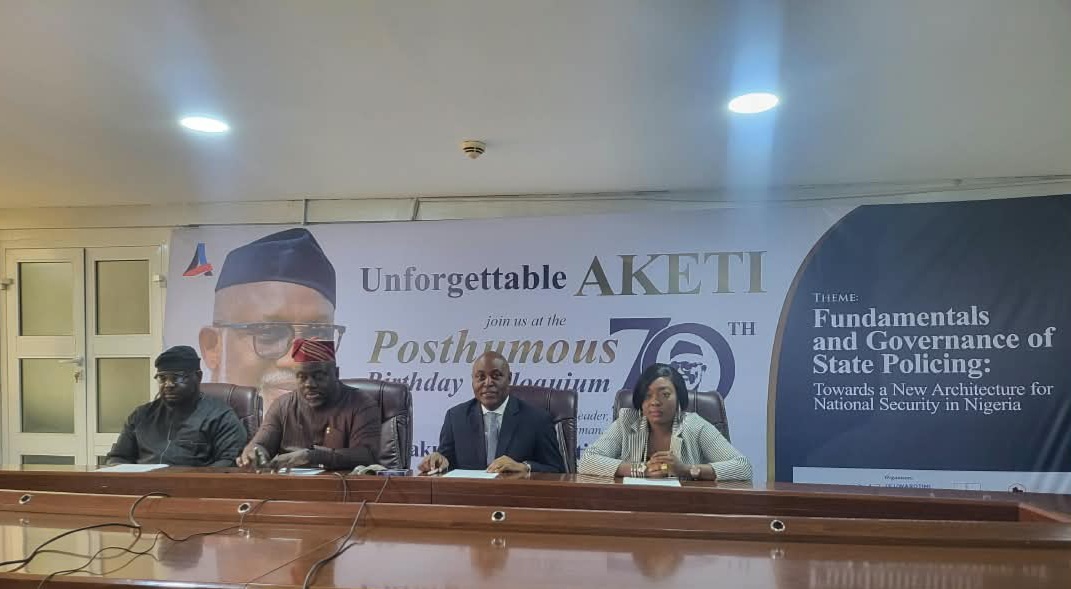
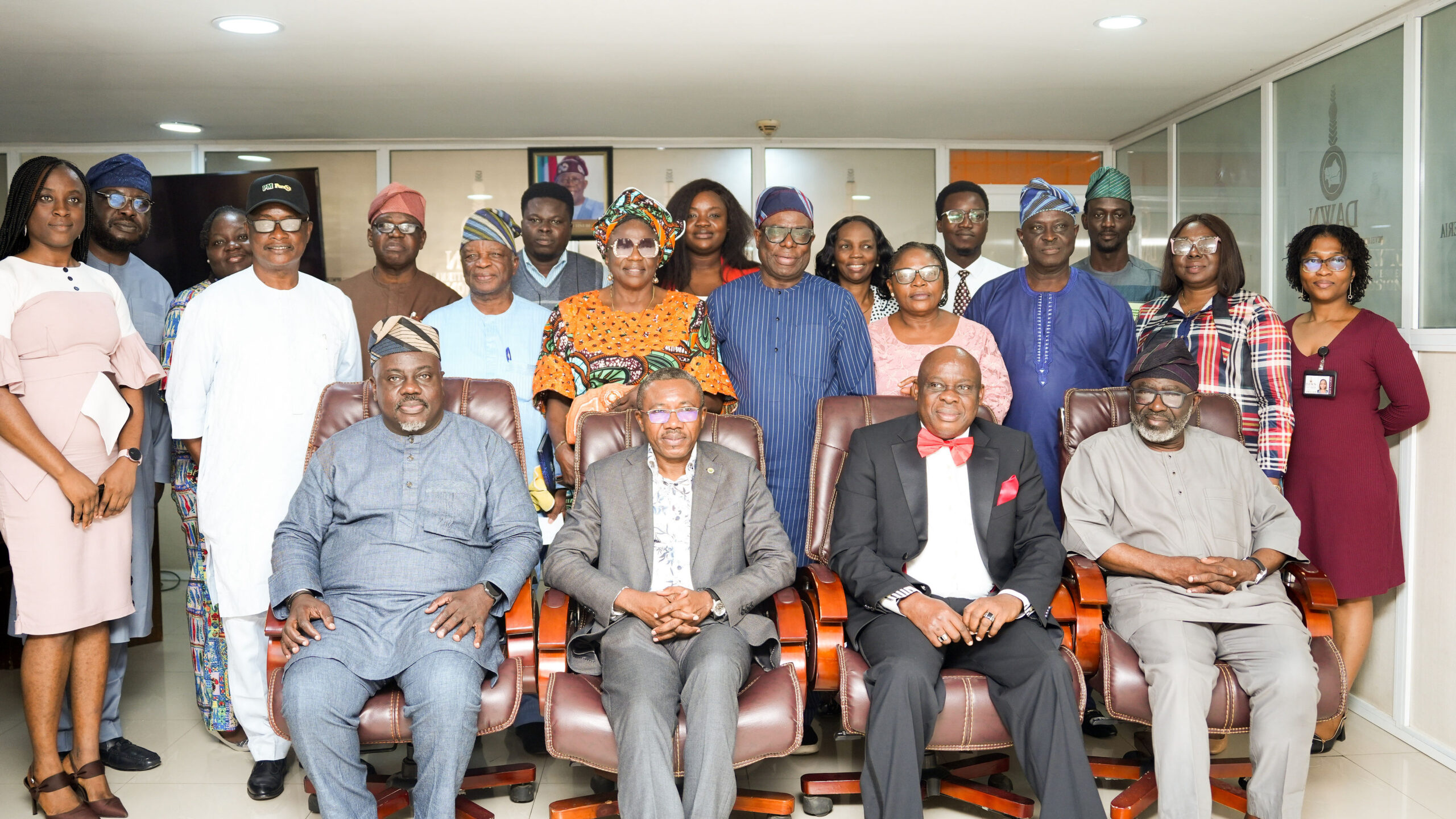
Oyeleye made this known during a roundtable session titled 鈥淔oundational Imperatives for State Police in South West Nigeria,鈥� held at the DAWN Commission headquarters in Cocoa House, Dugbe, Ibadan, on Thursday.
He stated that Amotekun and state police could coexist within the region鈥檚 security architecture.
According to him, the session was convened in response to the growing momentum at the federal level for the establishment of state police.
Stakeholders and security experts at the session deliberated on the need to develop an operational framework for the proposed state policing system.
Addressing concerns about the potential abuse of state police by governors, Oyeleye dismissed such fears as outdated, citing the experience of Amotekun.
鈥淭he fear that it will be abused is no longer tenable. We have had Amotekun operating since 2020 in South West Nigeria, and no one can say a governor has abused it. We are now in a social media age; the slightest thing, everybody knows,鈥� he said.
On the possibility of rivalry between state police and Amotekun, he added:
鈥淗aving Amotekun and state police, they are not mutually exclusive. They can exist side by side; it is up to the governors. They may even decide that Amotekun will serve as forest rangers.鈥�
He disclosed that the commission plans to leverage the establishment of state police to tackle kidnapping, banditry, and other criminal activities in the region.
Oyeleye also noted that although a national framework for state policing may be developed, regional peculiarities must be considered to ensure effectiveness.
鈥淭he creation of state police will happen. The bill is already at the National Assembly. In the South West, we have decided not to wait until state police is established before developing a template鈥攁 common framework on how it can operate efficiently in the region,鈥� he said.
The DG stressed the importance of avoiding a one-size-fits-all approach.
鈥淭here will be a common template, but there are individual peculiarities. That is why we are a federation. The mistake we do not want to make again is the 鈥榦ne size fits all鈥� approach,鈥� he said.
Oyeleye further expressed confidence that state policing could become operational by early 2027.
鈥淲e believe that by the first quarter of 2027, state police will become a reality. That is why we are doing this now,鈥� he added.
Speaking, a Professor of African History, Peace and Conflict Studies at the University of Ibadan, Olawale Albert, emphasised the need to focus on implementation rather than debate.
鈥淲e cannot jump into state policing without interrogating what is wrong with the federal police. If we do not adopt a rigorous intellectual approach, we may end up with state police behaving like the federal police we criticise today,鈥� he warned.
Also speaking, the Executive Director of Journalists for Democratic Rights, Mr. Adewale Adeoye, emphasised that state policing must be people-centred.
鈥淪tate policing is not just about the government; it is also about the people. Security must be owned by the people. They must be involved in the conception, the process, and the implementation,鈥� he said.
He added that policing structures must reflect local realities.
鈥淭he nature of crime in the South West is not the same as in the North East. State policing here has to reflect our own conditions. We want a structure that commands public integrity, transparency, and meets global standards,” Adeoye said.