






Akinwande Soji-Ojo
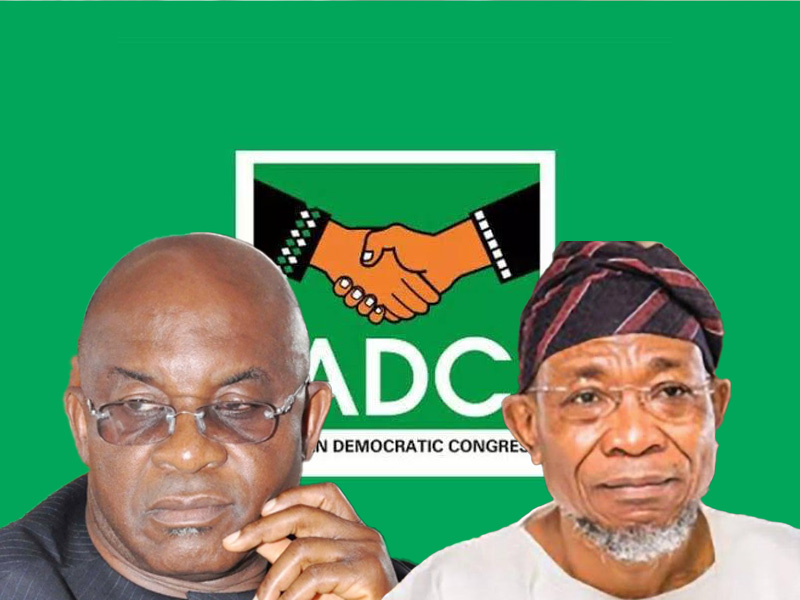
A Federal High Court in Abuja on Wednesday restrained the Independent National Electoral Commission (INEC) from recognising or participating in any congress organised by a disputed caretaker leadership of the African Democratic Congress (ADC).
stateIn a judgement delivered by Justice Joyce Abdulmalik, the court also barred former Senate President, David Mark, and other prominent figures in the party from interfering with the functions and tenure of elected state executives.
The ruling is the latest development in the festering leadership dispute within the ADC, with major implications for control of party structures ahead of future political activities.
The case arose from an originating summons filed by Norman Obinna and six others on behalf of state chairpersons and executive committees of the party.
The plaintiffs challenged the legality of actions taken by a caretaker or interim national leadership, particularly the move to organise state congresses through an appointed committee.
They argued that the caretaker body lacked constitutional authority to organise such congresses or appoint any committee for that purpose, insisting that only duly elected party organs recognised under the party鈥檚 constitution possess the power to conduct congresses. The plaintiffs therefore asked the court to affirm the tenure of the state executive committees and restrain any parallel processes capable of undermining their authority.
In resolving the dispute, Justice Abdulmalik held that the claims were valid and deserving of judicial consideration, stating that she found 鈥渢he issues in the originating summons meritorious.鈥�
The judge framed the central question as whether the second to sixth defendants, including Mark, had the constitutional or statutory authority to assume the powers of elected state organs of the ADC, whose tenure is guaranteed under the party鈥檚 constitution.
She relied on Section 223 of the 1999 Constitution, which mandates political parties to conduct periodic elections based on democratic principles, as well as Article 23 of the ADC Constitution, which provides that national and state officers shall hold office for a maximum of two terms spanning eight years.
According to her, 鈥渢he question is whether there is any infraction committed by Mr Mark and co-defendants when they convened meetings and appointed a body known as a congress committee to organise state congresses.鈥�
On the defendants鈥� argument that the matter was an internal party affair outside the court鈥檚 jurisdiction, the judge acknowledged the general legal position but clarified its limits.
鈥淭he law is settled that courts will not interfere. However, where there is an allegation of breach of constitutional or statutory provisions, the court has a duty to intervene.
X
“Where a party alleges that its constitution has been violated, the court is bound to adjudicate. Any argument that this court lacks jurisdiction on that basis fail,” she said.
Justice Abdulmalik stressed that political parties must operate strictly within the confines of their constitutions, noting that any deviation from prescribed procedures, particularly in leadership matters, cannot be justified under the guise of internal autonomy.
She noted that the procedure adopted by the defendants, including the appointment of a 鈥渃ongress committee,鈥� was not recognised by the ADC constitution and was therefore invalid.
Consequently, the court held that the tenure of the state executive committees remains valid and must run its full course without interference.
The judge further ruled that only elected structures have the authority to organise state congresses, effectively nullifying any process initiated by the caretaker leadership.
In far-reaching orders, the court set aside the appointment of the congress committee and restrained INEC from recognising any congress organised by it. The court also barred Mark and the other defendants from organising congresses or conventions outside the provisions of the party鈥檚 constitution and from taking any steps capable of undermining the authority of the state executive committees.
Other defendants in the suit include Patricia Akwashiki, Bolaji Abdullahi, Rauf Aregbesola and Oserheimen Osunbor.