






Akinwande Soji-Ojo
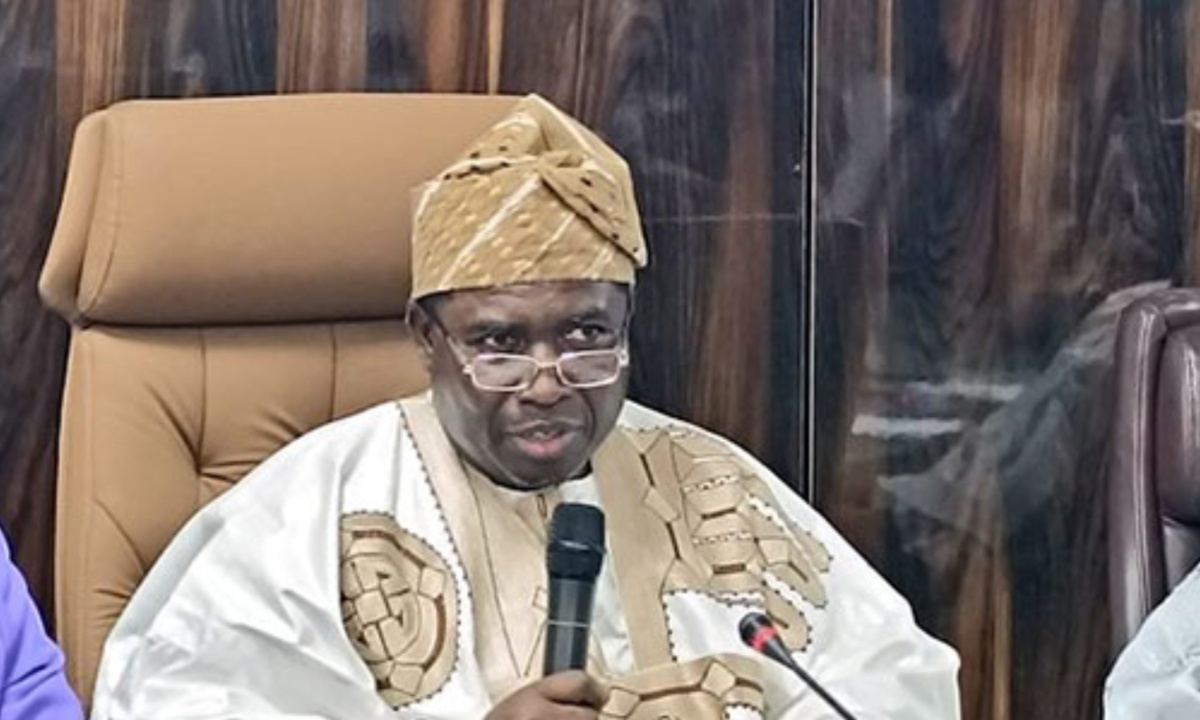
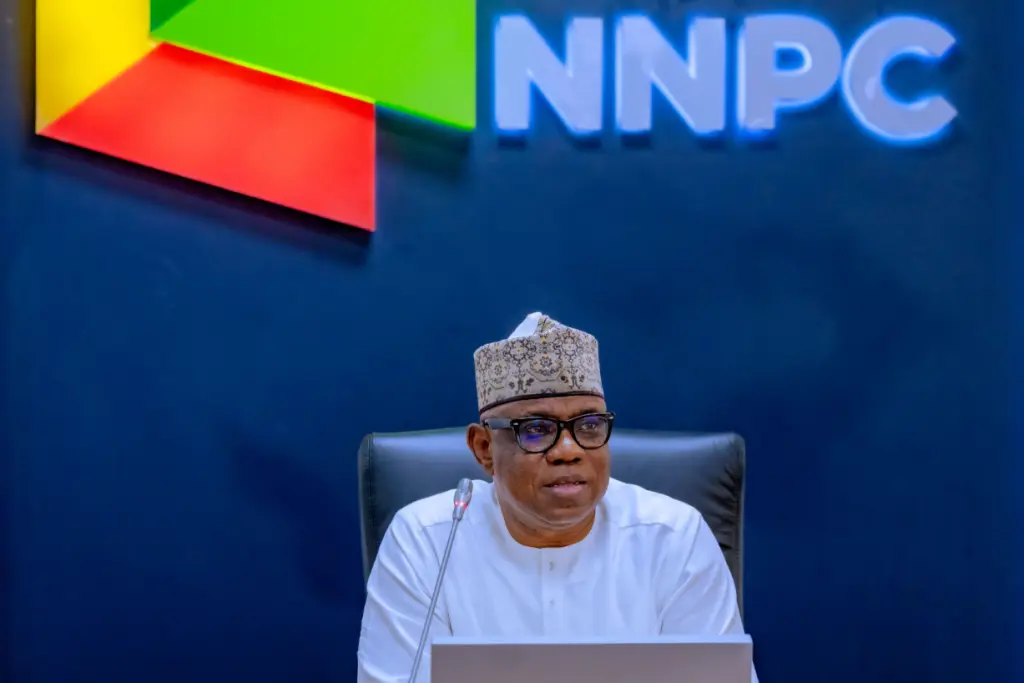
The nation鈥檚 oil and gas industry has been thrown into confusion following reports of the purported resignation of the Group Chief Executive Officer of the Nigerian National Petroleum Company Limited (NNPCL), Mr. Bayo Ojulari.
The speculation was triggered by an online news outlet which reported late Saturday night that Ojulari had been forced to step down. The report caused widespread anxiety within the sector, given its potential implications for leadership stability and ongoing reforms within the state oil firm.
The development has not been confirmed by the presidency or the state-owned oil company. The NNPCL has been without an official spokesperson for over a month following the resignation of its Chief Corporate Communications Officer, Mr. Olufemi Soneye, further complicating efforts to clarify the situation.
Fueling the controversy are allegations of Ojulari鈥檚 involvement in a $21 million (鈧�34.65 billion) corruption scandal. Civil society groups, including OilWatch Nigeria and the Workers鈥� Rights Alliance, have called for his immediate arrest and prosecution. At a press briefing held on July 31 at the EFCC headquarters, the groups alleged that a detained associate, Abdullahi Bashir Haske, confessed to holding illicit funds on Ojulari鈥檚 behalf. They accused the NNPCL boss of economic sabotage, citing the prolonged shutdown of Nigeria鈥檚 refineries and alleged attempts to privatise critical national assets.
A coordinated three-day protest by the coalition began on August 1 at strategic locations including the National Assembly, NNPCL headquarters, and EFCC offices. Protesters also highlighted an alleged $21 million kickback scheme involving oil traders and pipeline contractors, supposedly uncovered after Ojulari reassigned fund collection duties, prompting a whistleblower alert to the EFCC. The agency is said to have frozen the implicated account.
The controversy is not new. In May 2025, the Socio-Economic Rights and Accountability Project (SERAP) had urged the EFCC and the ICPC to probe alleged non-remittance of 鈧�500 billion by NNPCL to the Federation Account between October and December 2024.
However, other civil society organisations, including the Coalition for Good Governance and Change Initiatives (CGGCI) and the Human Rights Writers Association of Nigeria (HURIWA), have come to Ojulari鈥檚 defence. They described the protests as politically motivated attempts to derail his reformist agenda. These groups praised initiatives introduced under his watch, such as real-time monitoring systems, transparent audits, and efforts to stabilise fuel distribution 鈥� measures they claim have significantly reduced petrol queues.
Despite these endorsements, critics have raised concerns over alleged extravagance, citing a recent high-cost leadership retreat in Kigali involving private jets, as well as a reportedly toxic work environment that has led to multiple resignations within the corporation.
Adding to the mixed signals, the Niger Delta Environmental Justice Coalition (NDEJC) denounced a reported EFCC-DSS operation targeting Ojulari, branding it politically orchestrated. The group acknowledged his contributions to increasing oil output and improving national revenue remittances.
However, there is no official word from the EFCC regarding Ojulari鈥檚 arrest or any impending prosecution.
In a late-night clarification, presidential spokesperson, Sunday Dare, told DAILY POST that there was no truth to claims of a forced resignation. 鈥淣ot true,鈥� Dare stated in response to the reports, echoing a June 27, 2025 statement from NNPCL warning of coordinated efforts to undermine its leadership.
With no official confirmation or rebuttal from NNPCL itself, the status of Ojulari鈥檚 position remains uncertain, deepening confusion in a sector already burdened by volatility.