





By Emmanuel Adeleke
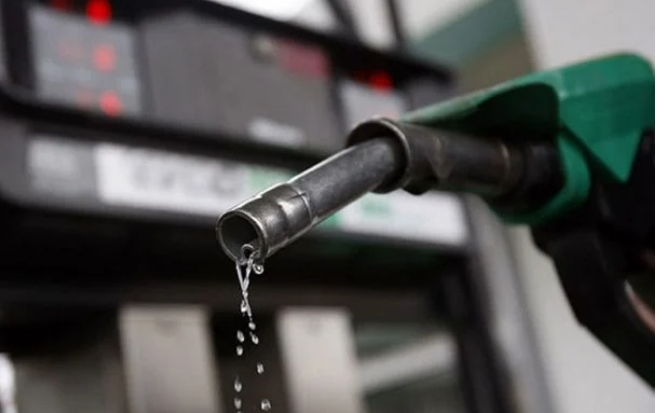
The Dangote Refinery has increased the gantry price of Premium Motor Spirit (PMS), also known as petrol, to 鈧�1,175 per litre, marking the third upward adjustment within one week.
The refinery announced the price increase to marketers on Monday, raising the gantry price of petrol to 鈧�1,175 per litre from 鈧�995 per litre announced on Friday, representing an increase of 鈧�180, or about 18.1 per cent, within three days.
It also revised the gantry price of Automotive Gas Oil, commonly known as diesel, to 鈧�1,620 per litre.
A senior official of the refinery, who spoke on condition of anonymity, said the new pricing had already been communicated to marketers and depot operators.
鈥淵es, the gantry prices have been adjusted. PMS is now 鈧�1,175 per litre, while Automotive Gas Oil is 鈧�1,620 per litre.
鈥淭he market has been extremely volatile, and replacement costs have shifted significantly in recent days. These adjustments reflect prevailing market fundamentals and the cost environment we are currently operating in,鈥� the senior official stated.
The new price represents the third increase in petrol prices within a week, following earlier adjustments that pushed gantry prices from 鈧�774 to 鈧�995 per litre.
As a result, retail pump prices in several states now exceed 鈧�1,000 per litre, with some filling stations reportedly selling petrol at about 鈧�1,200 per litre, further intensifying economic pressure on Nigerians.
The latest increase is expected to trigger another round of price adjustments at filling stations nationwide, as higher fuel costs typically translate into increased transportation, logistics and production costs for businesses.
The development comes amid efforts by the Federal Government, through the Nigerian National Petroleum Company Limited (NNPCL), to secure crude oil supply for the Dangote Petroleum Refinery through third-party international traders in a bid to sustain domestic refining operations.
Officials, however, warned that the intervention may not immediately translate into lower petrol prices for consumers, as Nigerians continue to grapple with high fuel costs following recent increases by the $20bn Lekki-based refinery.