






Akinwande Soji-Ojo
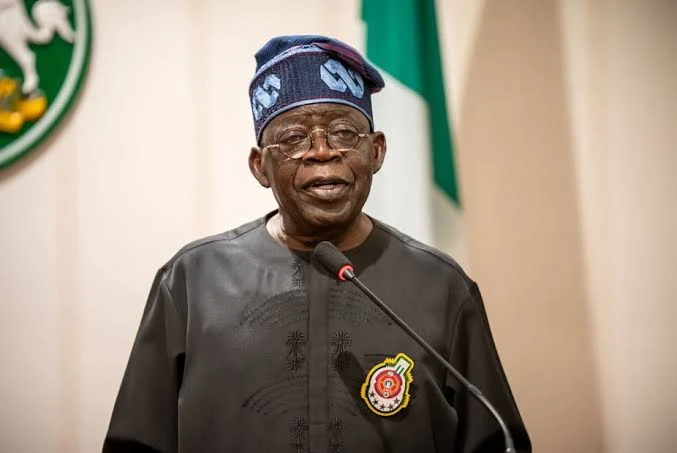
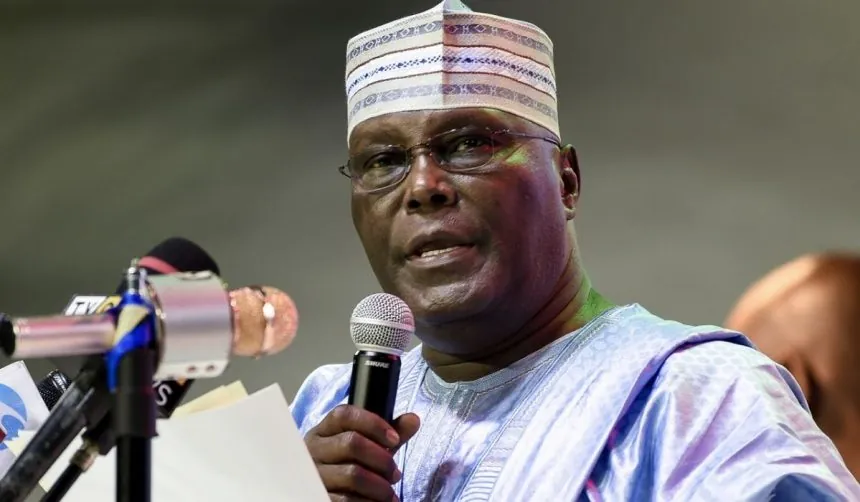
Former Vice President Atiku Abubakar, on Saturday criticised President Bola Tinubu over his recent comparison of Nigeria鈥檚 fuel prices with those of other African countries, insisting that Nigerians are economically worse off despite paying less for petrol.
Atiku, a chieftain of the African Democratic Congress (ADC), made his position known in a statement issued on Saturday by his Senior Special Assistant on Public Communication, Phrank Shaibu.
His reaction followed Tinubu鈥檚 remarks during a visit to Bayelsa State on Friday, where the president urged Nigerians to be grateful that petrol prices in the country remain lower than in countries such as Kenya, even as he acknowledged the hardship caused by rising costs and promised relief measures for vulnerable citizens.
Responding, Atiku described the comparison as misplaced, arguing that it failed to reflect the harsh economic realities faced by Nigerians.
鈥淚t is both curious and troubling that the President would isolate fuel prices as a metric of economic comfort while ignoring far more critical indicators such as purchasing power, income levels, and the cost of living.
L鈥淭his selective reasoning betrays either a fundamental misunderstanding of economic realities or a deliberate attempt to deflect from policy failures.
鈥淵es, petrol prices in Nigeria may appear lower than in countries like Kenya or South Africa, but this comparison collapses when placed against the backdrop of broader economic conditions. Nigeria today is more expensive to live in than Kenya, despite lower fuel prices,” he said.
The ADC chieftain also pointed to the declining earning power of Nigerians, contrasting it with income levels in Kenya.
鈥淢ore alarming is the collapse in earning power. Kenya鈥檚 GDP per capita is nearly double that of Nigeria, and a minimum wage earner in Nairobi takes home the equivalent of about 鈧�170,000鈥攎ore than twice Nigeria鈥檚 鈧�70,000.
鈥淚n effect, while a Kenyan earns more and pays more, a Nigerian earns far less and is forced to survive under crushing economic pressure. This is the reality the President chose to ignore,鈥� he added.
Atiku further criticised Nigeria鈥檚 wage structure, saying it does not reflect regional economic realities, and stressed that affordability goes beyond mere pricing.
鈥淭he implication is clear: affordability is not defined by price alone, but by the relationship between income and expenditure. On this measure, Nigerians have never had it worse.
鈥淚t is, therefore, deeply disappointing that at a time when citizens expect empathy, clarity, and decisive leadership, the President has chosen the path of statistical convenience.
鈥淎 government that relies on selective comparisons while its citizens grapple with rising poverty, inflation, and declining living standards risks appearing not only out of touch, but indifferent,鈥� he stated.