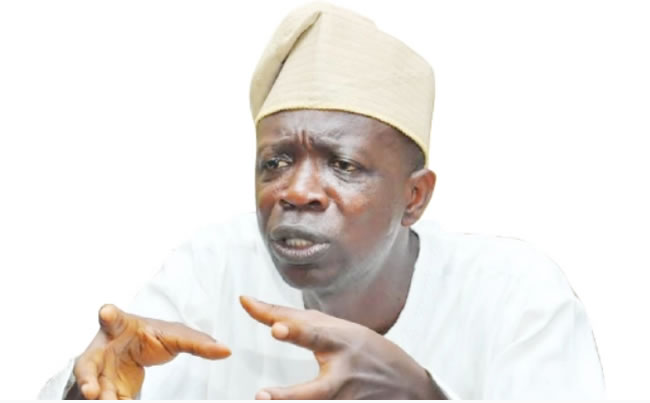







Akinwande Soji-Ojo
A chieftain of the All Progressives Congress (APC) in Osun State, Hon. Olatunbosun Oyintiloye, has advised opposition parties to quit blaming President Bola Tinubu for the defection of their members into the ruling party.
Addressing newsmen in Osogbo on Sunday, Oyintiloye, a former lawmaker and member of the defunct APC Presidential Campaign Council (PCC), urged opposition parties to embrace internal democracy and self-reflection instead of shifting blame.
He emphasised that political realignment is a longstanding part of Nigeria鈥檚 political evolution, asserting that the recent wave of defections stems more from ideological alignment and internal party issues than from any coercion by the president or the APC.
鈥淢any of those who have defected say they were sidelined, unfairly treated, or excluded by their former parties.
“Faced with no better alternative, they chose a platform like the APC that they believe offers a transformative national agenda,鈥� he explained.
Oyintiloye argued that Tinubu鈥檚 commitment to national development and his “Renewed Hope Agenda” has made the APC more appealing to politicians seeking a platform aligned with their aspirations.
Predicting further defections, particularly from the Peoples Democratic Party (PDP), the former lawmaker warned that the opposition must stop blaming the president or the APC for its internal fractures. Instead, he urged them to build strong party structures rooted in inclusivity, fair primaries, and tolerance for dissent.
The APC chieftain also dismissed fears that the defection trend could lead to a one-party state.
鈥淲e have over 60 registered political parties in Nigeria. The idea that defections will result in a one-party system is not only alarmist but also ignores political realities,鈥� he said.
However, he cautioned that the APC must manage the influx of defectors carefully.
鈥淭he party must protect the interest of its loyal members who have worked hard over the years. The new entrants must not displace committed members, or it could breed resentment and instability within the party,鈥� Oyintiloye concluded.