





By Emmanuel Adeleke
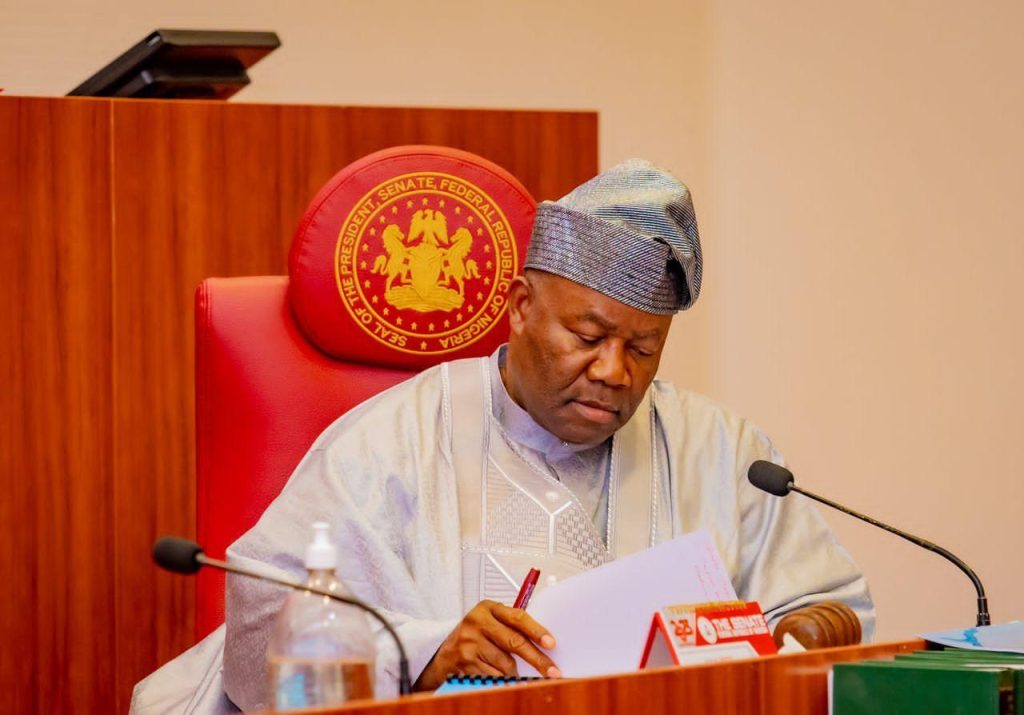
Ahead of the 2027 election in Nigeria, Senate President Godswill Akpabio has justified the removal of mandatory electronic transmission of results from the amended Electoral Act.
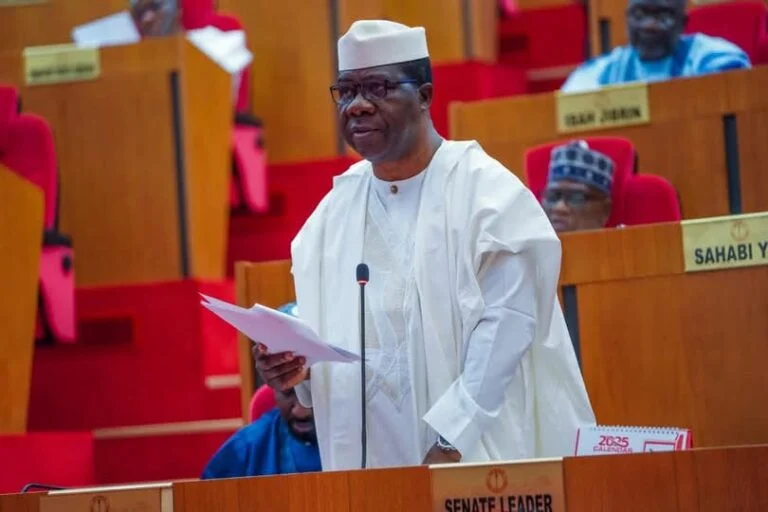
Recall that the Senate had last week removed mandatory e-transmission of election results from the legislation.
The Senate鈥檚 decision sparked controversy across the country with Nigerians, including opposition parties and the Nigerian Bar Association (NBA), urging the lawmakers to reverse the decision.
Responding to the controversy during the launch of a book by former Senator, Effiong Bob, titled 鈥楾he Burdens of Legislators in Nigeria鈥�, Akpabio said it is the responsibility of the Independent Electoral Commission (INEC), to determine the modality of elections.
While justifying the decision of the Senate, Akpabio noted that there is no network in nine states among the 36 states in Nigeria, due to insecurity.
He further asked Nigerians to direct their grievance to INEC, stating that the agency is responsible for deployment of technology.
鈥淩eal-time transmission means that in over nine states where networks are not working because of insecurity, there will be no election results. Nationally, it means that if the national grid collapses and no network is working, no election results will be valid.
鈥淏ut you see them talking. We even have a young man from Akwa Ibom who is publicity secretary to one of the parties. When you see him talking you will think he knows it all.
鈥淗e doesn鈥檛 know anything about lawmaking, and he would talk and talk and talk. But what can I say? I can鈥檛 answer. The Senate does not conduct elections, we don鈥檛 deploy technology, we only make laws. And INEC must apply the law.
鈥淭he timing scoop and modality rests with INEC, acting within the framework of the law enacted by the parliament and interpreted by the Supreme Court,鈥� Akpabio said