





By Efa Sunday
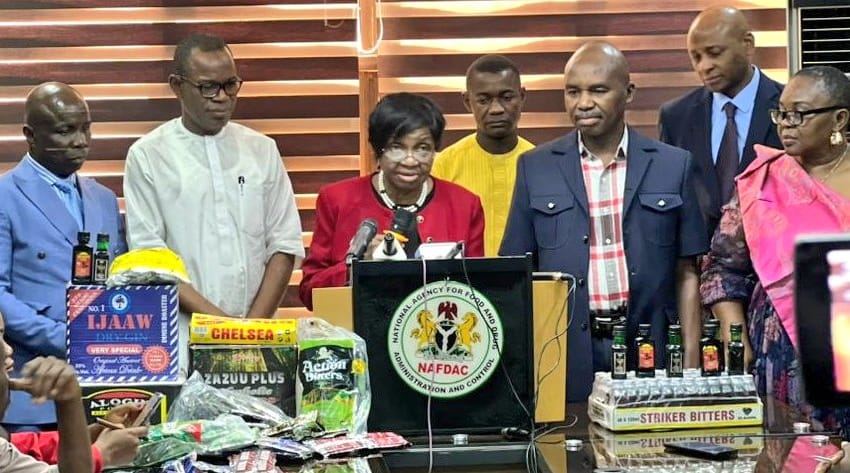
For the second time, the Federal Government on Tuesday ordered an immediate suspension of all enforcement measures related to the proposed ban on sachet alcohol by the National Agency for Food and Drug Administration and Control (NAFDAC), pending consultations and a final directive.
The directive, issued by the Office of the Secretary to the Government of the Federation (OSGF), followed correspondence from the House of Representatives Committee on Food and Drugs Administration and Control.
In a statement dated December 15, 2025, the Special Adviser on Public Affairs to the Secretary to the Government of the Federation, Mr. Terrence Kuanum, said a statement signed by the committee鈥檚 deputy chairman, Hon. Uchenna Okonkwo, reaffirmed existing National Assembly resolutions on the ban.
The OSGF clarified that all agencies must halt enforcement or related actions until consultations are concluded and a formal decision is issued.
鈥淔or the avoidance of doubt, any action or enforcement undertaken by NAFDAC or any other agency on this matter without due clearance and resolution by the Office of the Secretary to the Government of the Federation is of no effect and should be disregarded by the public,鈥� the statement said.
The Federal Government assured Nigerians that legislative resolutions, economic considerations, public health concerns, and broader national interest factors are being thoroughly examined to reach a balanced and lawful outcome.
The OSGF added that the public would be informed once a final decision is reached.
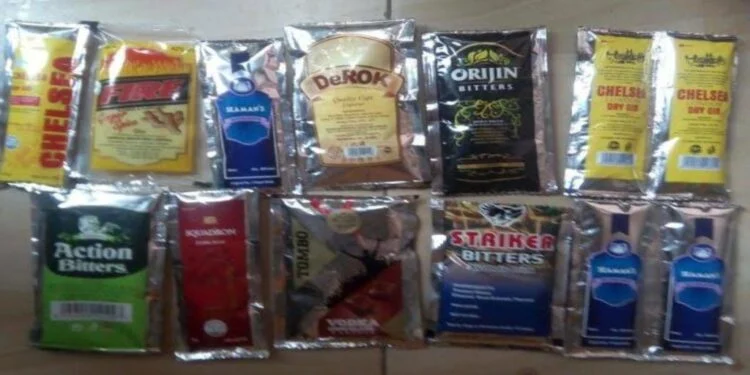
The push for the proposed sachet alcohol ban began years ago amid growing public health concerns over ultra-cheap alcohol sold in sachets and PET bottles, which regulators warned had become widely accessible to minors and vulnerable groups. NAFDAC framed sachet alcohol as a contributor to alcohol abuse, road accidents, domestic violence, and long-term health risks, issuing phased warnings to manufacturers and distributors to allow industry adjustment.
However, resistance from labour unions, traders, and manufacturers, who cited potential job losses and economic disruption, escalated the issue into a national debate.