






Akinwande Soji-Ojo
The United States (US) Government has begun revoking the visas of international students in the country, with some of the students randomly arrested and taken into custody.
The development has sparked tension and uncertainty among foreign students, including Nigerians, who make up 1.5 per cent of the student聽population in the US.
About 600 international students in over 90 colleges and universities have had their visas revoked or their legal status terminated in recent weeks,聽according聽to .
Many of the affected students are from India and China, which together account for more than half of the international student population. So far, no Nigerian student has been reported to have lost their legal status.
Majority of the students being targeted are currently on F-1 and J-1 visas. The F-1 visa is issued to international students who have been admitted to accredited US institutions for full-time study.
The J-1 visa, on the other hand, is designed for a broader range of participants, including students, educators, researchers, and professionals, who are part of approved cultural or educational exchange programmes. This visa permits them to study, conduct research, receive training, or showcase unique skills. Once their programme concludes, J-1 holders are expected to leave within 30 days.
Officials of the State Department have accused some of the students of being involved in protest or political activism, using the US Immigration and Nationality Act of 1952 as justification for revoking their visas.
This act allows the deportation of a non-citizen if the Secretary of State determines that their presence or activities in the country could have 鈥減otentially serious adverse foreign policy consequences.鈥�
Secretary of State, Marco Rubio, had first confirmed the development in March, stating that the State Department had revoked the visas of hundreds of international students, targeting those involved in political activism.
鈥淚t might be more than 300 at this point. We do it every day. Every time I find one of these lunatics, I take away their visas,鈥� Rubio had said at a news conference.
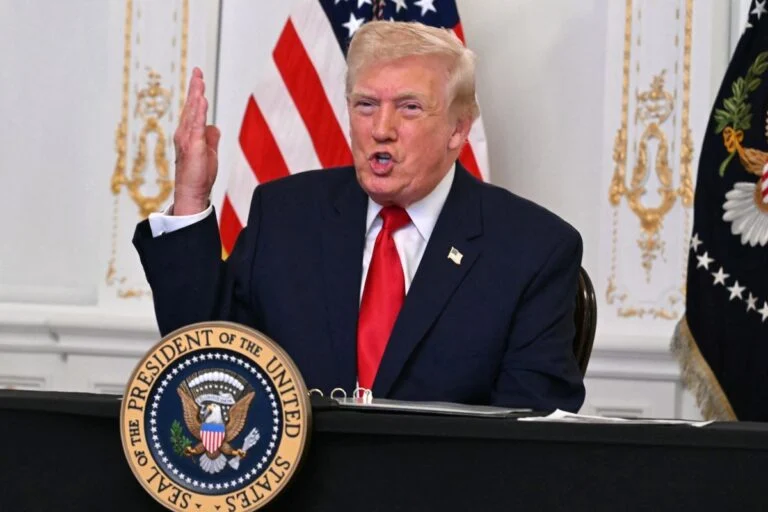
According to reports, US immigration attorneys and policy experts said the spotlight on international students reflects the President Donald Trump administration鈥檚 broader immigration crackdown.
However, some of the students are fighting back. They have filed lawsuits against the Trump administration, claiming that the government violated their rights to due process before revoking their visas.
In lawsuits against the Department of Homeland Security, the students said the government lacked justification for its actions.
Some of the students argued against being singled out for infractions as minor as traffic violations, including some that occurred a long time ago.
International students are also scared of embarking on short trips outside the US due to the risk of deportation.
Some colleges have advised their students to postpone their travel plans for spring break.
An international student at the University of Maryland confirmed receiving an advisory from the university warning against travelling outside the country for the holidays.
A similar advice was issued to international students in several聽other聽universities, including Yale, Harvard and Brown University.
This was due to concerns about the new聽travel聽ban imposed by the Trump administration in March.
The travel ban affected 43 countries globally, and 22 of them were African countries.
The affected countries were categorised under the orange, red and yellow lists. Countries under orange faced the strictest restrictions, and those under yellow were issued a 60-day window.
However, Nigeria was not on the list.