






By Oyindamola Davies
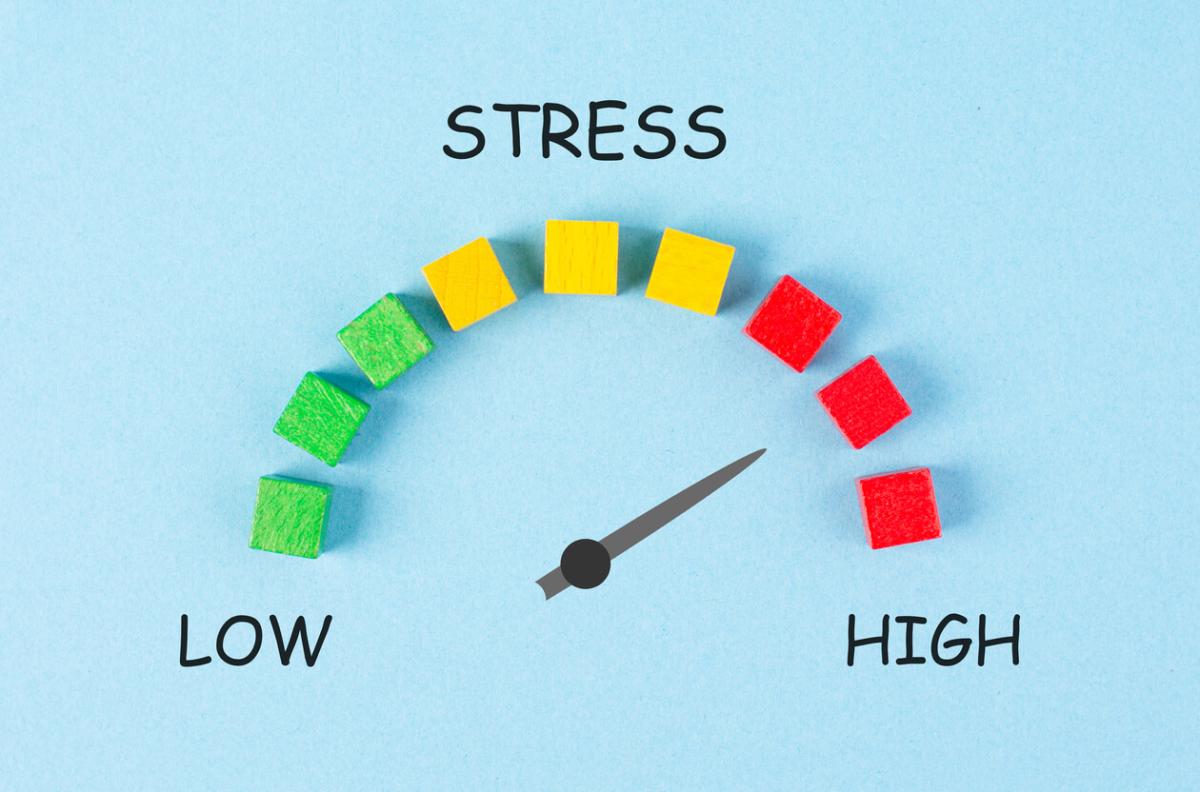
For many Nigerians navigating the combined pressures of work, finances, family expectations, and an economy that often feels overwhelming, stress has become so deeply woven into daily life that it no longer registers as a problem.
Stress does not always announce itself through dramatic moments. It does not always look like a breakdown or a panic attack in the middle of the day. Sometimes, it is much quieter. It can appear as a recurring headache, constant exhaustion, or a feeling of being drained no matter how many hours you sleep.
The body keeps score. What the mind learns to ignore, the body continues to carry until the burden becomes impossible to dismiss. Stress that goes unaddressed does not simply disappear. It deepens, changes form, and eventually shows up in ways that are more difficult to reverse. The earlier you recognise it, the more opportunities you have to address it.
Here are five ways stress may be showing up in your life without you fully realising it.
1. Constant fatigue that sleep does not fix
There is a kind of tiredness that a full night’s sleep cannot cure. If you wake up most mornings feeling as though you barely rested, stress could be the underlying cause.
Chronic stress keeps the body in a prolonged state of high alert, activating the nervous system in ways that interfere with the deeper, restorative stages of sleep. You may spend seven or eight hours in bed and still feel exhausted because the quality of your sleep has been quietly compromised.
Over time, this fatigue accumulates and begins to affect concentration, mood, productivity, and your ability to fully engage in daily activities.
2. Unexplained body aches and persistent headaches
Many people respond to recurring physical pain by seeking temporary relief and carrying on with their routine. However, when headaches, neck pain, or body aches continue despite adequate rest, the cause may be linked to stress rather than a physical injury.
The connection between emotional stress and physical pain is well established. Stress activates the body’s fight or flight response, causing sustained muscle tension in areas such as the neck, shoulders, back, and jaw.
When the source of stress, whether financial pressure, workplace demands, or family responsibilities, remains unresolved, the body rarely has a chance to fully relax. As a result, the pain keeps returning. Treating the symptom without addressing the cause often provides only temporary relief.
3. Increased irritability and a shorter temper
Patience is not an unlimited resource, and prolonged stress gradually wears it down.
In a country where the cost of living continues to rise and the pressure to meet daily responsibilities remains constant, many Nigerians are operating under a level of stress that often goes unrecognised.
The result is a nervous system that is already stretched to its limit, leaving little room for everyday frustrations. You may find yourself reacting more strongly than usual to minor inconveniences, delays, or disagreements.
Often, the irritation is not really about the immediate trigger. It is the accumulation of many unresolved pressures finally finding an outlet.
4. Forgetfulness and difficulty concentrating
Stress floods the body with cortisol, a hormone that helps sharpen focus and prepare you to respond to immediate challenges. However, when cortisol levels remain elevated for long periods, the effect can be the opposite.
Memory becomes less reliable, concentration weakens, and tasks that once felt manageable begin to feel overwhelming. You may find yourself reading the same paragraph repeatedly without understanding it, forgetting appointments, misplacing items, or losing track of conversations.
This is not a sign of laziness or incompetence. It is often a sign that your brain is operating under sustained pressure and trying to function with depleted mental resources.
5. Withdrawing from people you normally enjoy being around
One of the most overlooked signs of stress is the gradual withdrawal from social interactions.
At first, it may feel like a need for rest, personal space, or a desire to avoid unnecessary conversations. While solitude can be healthy, consistent withdrawal from friends, family, or activities you once enjoyed may indicate that stress is taking a toll.
Stress can make social interaction feel like another demand on an already exhausted system. Ironically, isolation often increases stress rather than relieving it, cutting people off from the support, encouragement, and connection that could help them cope.
Recognising stress is the first step. The more difficult step is deciding that it deserves attention before your body forces the issue.
Stress is not a badge of productivity, and constantly pushing through exhaustion is not a measure of strength. Knowing when to slow down, seek support, set boundaries, or simply rest is one of the most valuable forms of self awareness.
The earlier stress is acknowledged, the easier it becomes to manage before it begins to affect your health, relationships, and overall quality of life.