






By Efa Sunday
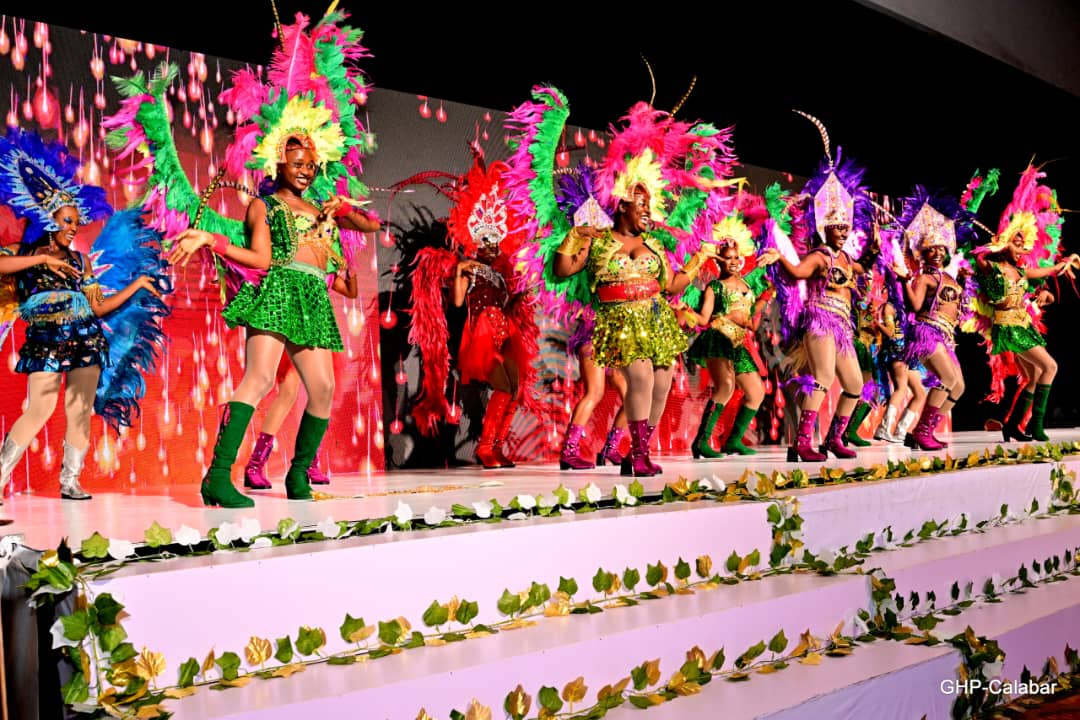
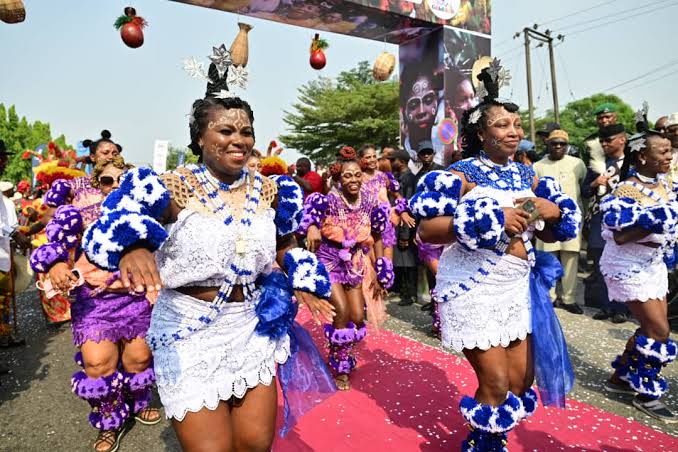
The 20th anniversary of Carnival Calabar, Africa鈥檚 biggest street party, officially began on Friday with a colourful cultural procession that transformed the streets of Calabar into a vibrant display of rhythm, colour and national unity.
Hundreds of spectators, tourists and culture enthusiasts lined the 12-kilometre route from Millennium Park as contingents from all 18 local governments of Cross River State, six host communities in Calabar, a newly introduced diaspora band and delegations from 20 other states paraded their traditions through dances, masquerades, drum ensembles and traditional attire.
Flagging off the event at the Millennium Park Roundabout, Governor Bassey Otu, represented by his deputy, Rt. Hon. Peter Odey, described the carnival as a premier platform for showcasing the cultural heritage of Cross River State and Nigeria.
鈥淵ou will see culture in clear display. You will see the culture of the people of Cross River and various cultural groups from across the country showcasing what they are known for.
鈥淐arnival Calabar will once again be in the eyes of the world as we showcase the best cultural carnival in the world. We were the first to start the cultural carnival, and every year we raise the bar,鈥� he said.
Earlier, the chairman of the Cross River Carnival Commission, Gabe Onah, highlighted the deep roots of the cultural carnival in the state鈥檚 heritage, noting that African identity is vividly expressed through dance and street performances.
He commended the continued support of partners such as the European Union through programmes like Sticks Arts and reflected philosophically, saying: 鈥淚n African arts and culture, everything is prominent, shaped by the sun, and this is what the sun has offered us here today, blessing this cultural effort.鈥�
Tourism expert, Ikechi Uko, speaking on the sidelines, explained that Friday鈥檚 traditional cultural procession represents inherited heritage, while the contemporary adult street carnival, the main highlight, is scheduled for December 29.
He dismissed concerns about modern influences eroding tradition, insisting that the festival preserves cultural roots while allowing creative evolution.
The procession passed through Marian Road to Rabanna Roundabout before ending at the U.J. Esuene Stadium around 8 p.m., setting an energetic tone for the month-long festival themed 鈥淭races of Time.鈥�
Participating states included Abia, Adamawa, Bayelsa, Benue, Delta, Ebonyi, Edo, Katsina, Kebbi, Kogi, Nasarawa, Niger, Ondo, Osun, Rivers and Taraba, among others, reinforcing the carnival鈥檚 status as a national cultural melting pot.
Upcoming highlights include the Junior Carnival on Saturday, December 27; the Grand Adult Carnival on December 29, the Bikers Parade and New Year fireworks, with over 60 events scheduled to run until January 1, 2026.
As Calabar reaffirms its status as Nigeria鈥檚 carnival capital, this year’s edition has attracted millions of visitors, boost tourism and celebrate two decades of cultural excellence.